
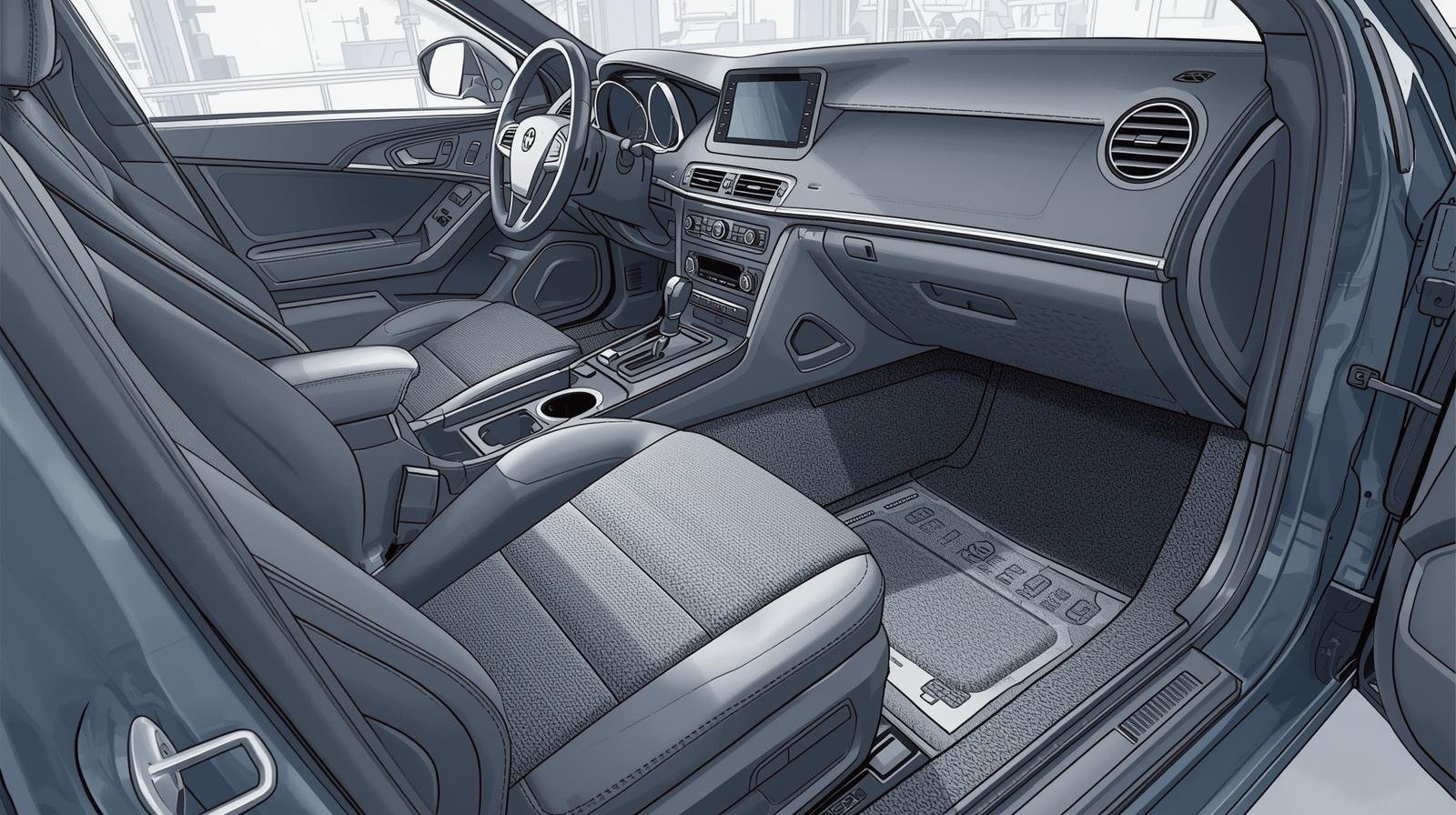
Changing the carpet in your car may seem like a daunting task, but with the right tools and a bit of time, it’s a manageable DIY project. Whether your car carpet is worn out, stained, or simply outdated, replacing it can breathe new life into the interior of your vehicle. In this guide, we’ll walk you through the process of changing the carpet in your car, from gathering materials to the final installation.
Why Change the Carpet in Your Car?
Before we dive into the step-by-step process, you might be wondering why you should change the carpet in your car. There are several good reasons to do so:
- Wear and Tear: Over time, carpets can become worn, torn, or faded due to constant foot traffic and exposure to sunlight.
- Stains: Car carpets are often prone to spills, mud, and stains, which can be difficult or impossible to clean effectively.
- Odor: Mold, mildew, and moisture can get trapped in old car carpets, leading to unpleasant smells.
- Aesthetic Upgrade: A new carpet can give your car’s interior a fresh and updated look, increasing its resale value.
Materials You’ll Need to Change the Carpet in Your Car
Before starting this project, make sure you have the following tools and materials:
- Replacement Carpet: You can either purchase pre-cut carpet specifically designed for your car make and model, or buy a universal carpet that you’ll cut to size.
- Carpet Adhesive: Strong, automotive-grade adhesive will help you secure the new carpet in place.
- Tools: A flathead screwdriver, pry bar, scissors or carpet knife, and a ratchet set for removing car seats or other components.
- Measuring Tape: To measure the area and ensure you buy enough carpet.
- Vacuum: To clean up the old carpet before installation.
- Cleaning Supplies: Such as soap, water, and rags to wipe down surfaces and remove dirt.
- Safety Gear: Gloves and goggles to protect yourself during the project.
Step-by-Step Process on How to Change the Carpet in Your Car
Changing the carpet in your car requires careful attention to detail and a bit of patience. Let’s go through the steps:
1. Remove the Seats and Other Components
The first thing you’ll need to do is remove the seats from your car. This typically involves using a ratchet set to unscrew the bolts that secure the seats to the floor. Don’t forget to disconnect any electrical connectors (like those for seat heaters or airbags) before completely removing the seats.
Next, remove any other components that may obstruct your work, such as center consoles, trim panels, or other plastic pieces. Use a flathead screwdriver or pry bar to carefully remove any trim pieces.
2. Take Out the Old Carpet
Once the seats and other components are out of the way, it’s time to remove the old carpet. Start by gently lifting the carpet from the edges. The carpet is usually secured with clips or adhesive, so take your time to avoid damaging the underlying surface.
If the carpet is glued down, you may need to carefully peel it away. Be patient and use a flathead screwdriver or pry bar to help loosen stubborn sections. After you’ve removed the carpet, take the opportunity to vacuum the floor thoroughly.
3. Clean the Surface
Before installing the new carpet, clean the floor of the car. Wipe down any dirt, dust, or debris that may have accumulated. Pay close attention to any nooks and crannies where dirt might have settled. This step ensures the adhesive will bond properly to the surface.
4. Cut the New Carpet to Fit
If you bought a universal carpet, you’ll need to cut it to fit your car’s floor. Use the old carpet as a template to trace the outline onto the new carpet. Carefully cut the carpet to size using scissors or a carpet knife. Be sure to leave a little extra around the edges in case you need to trim it further once it’s in place.
If you bought a pre-cut carpet for your car, this step may not be necessary.
5. Apply Carpet Adhesive
Now that the carpet is ready, it’s time to apply the adhesive. Follow the manufacturer’s instructions on your carpet adhesive for the best results. In most cases, you’ll need to spray a thin layer of adhesive onto the floor of the car, then let it sit for a few minutes before placing the carpet.
6. Install the New Carpet
Carefully lay the new carpet over the floor and smooth it out. Start at one end and work your way across to avoid trapping air bubbles under the carpet. Press the carpet down firmly into place to ensure good contact with the adhesive.
If your carpet comes with pre-cut holes for seat bolts or other components, make sure to align them properly with the floor. If not, you can carefully cut holes in the carpet once it’s in place using scissors or a carpet knife.
7. Reinstall the Seats and Other Components
Once the carpet is securely in place, you can start reinstalling the seats, center console, and any other components you removed earlier. Make sure all the bolts are tightened properly, and reconnect any electrical connections.
8. Trim the Edges
After everything is reinstalled, check the edges of the carpet. If you have any excess carpet hanging over the edge, use scissors or a carpet knife to trim it neatly. Be careful not to cut too much, as you want the carpet to stay securely in place.
9. Final Inspection and Clean-Up
Once the carpet is fully installed, give it a final inspection to ensure everything is secure and well-fitted. Vacuum the carpet to remove any dust or debris. Your car should now have a fresh, clean carpet that’s ready for use!
Common Issues to Avoid When Changing the Carpet in Your Car
Changing the carpet in your car is a relatively straightforward process, but there are a few common mistakes to watch out for:
- Incorrect Sizing: Make sure you measure the floor properly before buying the carpet. Incorrect measurements can result in an ill-fitting carpet.
- Skipping Cleaning: Not cleaning the surface of the floor before installing the new carpet can cause the adhesive to fail.
- Over-Application of Adhesive: Too much adhesive can make the carpet hard to remove in the future or create an uneven surface.
Not Securing the Edges: If the edges of the carpet aren’t secured properly, they may lift over time.
How much does it cost to change the carpet in your car?
The cost of changing the carpet in your car can vary depending on whether you choose a pre-cut carpet or a universal option. Pre-cut carpets tend to be more expensive, typically ranging from $100 to $400, while universal carpets can cost anywhere from $50 to $200. Additionally, you’ll need to account for the cost of adhesive and tools, which can add to the overall cost.
How long does it take to change the carpet in a car?
The entire process of changing the carpet in your car can take anywhere from 4 to 6 hours, depending on your experience and the complexity of the job. If you’re working alone, expect it to take longer, while an experienced DIYer might complete it in less time.
Can I change the carpet in my car without removing the seats?
While it’s technically possible to replace the carpet without removing the seats, it’s much easier and more effective to remove them. The seats and other components can obstruct your access to the floor and make it difficult to secure the carpet properly.
Do I need special carpet for my car?
While you can use a universal carpet, it’s recommended to buy a carpet specifically designed for your car’s make and model. This ensures a better fit and a more professional-looking result. However, if you’re comfortable cutting the carpet yourself, a universal option can save you money.
Conclusion
Changing the carpet in your car is a great way to freshen up its interior and give it a new look. While the process may seem challenging at first, with the right tools and a bit of patience, it’s a rewarding DIY project. Just be sure to follow the steps carefully, take your time, and avoid common mistakes. With a little effort, your car will have a brand-new carpet that looks great and smells fresh.