
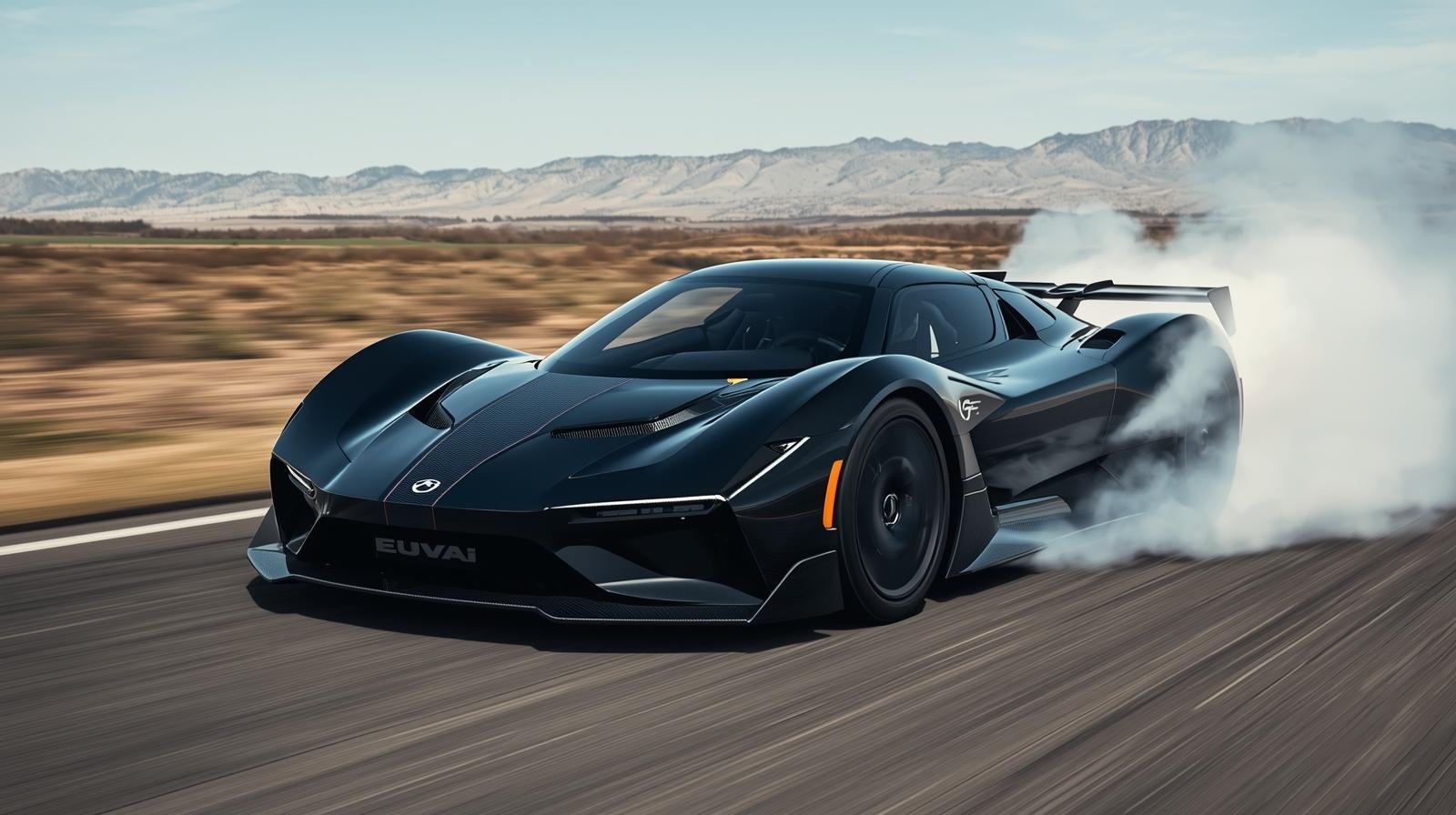
Electric vehicles (EVs) have taken the automotive become a global sensation, pushing the boundaries of speed, performance, and innovation. From eco-friendly benefits to high-powered electric motors, these cars are revolutionizing the way we think about speed on the roads.
In this article, we’ll explore into the fastest electric cars of 2025, what makes them unique to others, and how they’re breaking records in both speed and technology. Buckle up, we’re exciting to explore the future of electric driving.
What Makes an Electric Car the Fastest?
To understand what makes a car the fastest, it’s essential to look at several factors that contribute to speed. Electric vehicles typically stand out because they don’t rely on conventional engines. Instead, they use high-performance electric motors powered by large batteries. The key factors that determine the speed of an electric car include:
- Battery Capacity: A high-capacity battery ensures that the car can maintain speed over long distances without losing power quickly.
- Electrical Power: The power delivered by the electric motor directly impacts acceleration and top speed.
- Aerodynamics: The car’s design and shape can significantly affect its ability to cut through the air, reducing drag and increasing speed.
- Weight: Lightweight vehicles tend to accelerate faster and reach higher speeds more efficiently than heavier ones.
Top Fastest Electric Cars of 2025
Let’s explore the strongest competitors for the title of the fastest electric car in the world in 2025. These cars combine cutting-edge technology with mind-blowing speed.
1. Rimac Nevera – Top Speed: 258 mph (415 km/h)
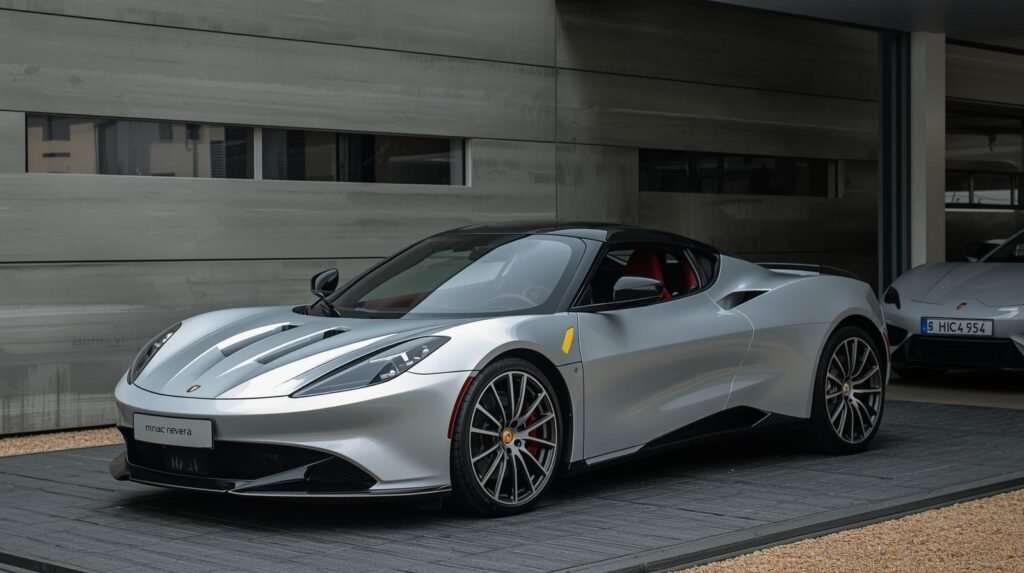
The Rimac Nevera is a Croatian hypercar that has set the bar for electric car performance. With a overwhelming top speed of 258 mph (415 km/h), it stands out as one of the fastest electric vehicles ever made. This incredible car is powered by four electric motors, generating 1,914 horsepower. It can accelerate from 0 to 60 mph in just 1.85 seconds, making it a true powerhouse in the world of electric cars.
Key Features:
- Power: 1,914 horsepower
- Acceleration (0-60 mph): 1.85 seconds
- Top Speed: 258 mph
- Price: $2.4 million
2. Tesla Roadster 2025 – Top Speed: 250 mph (402 km/h)
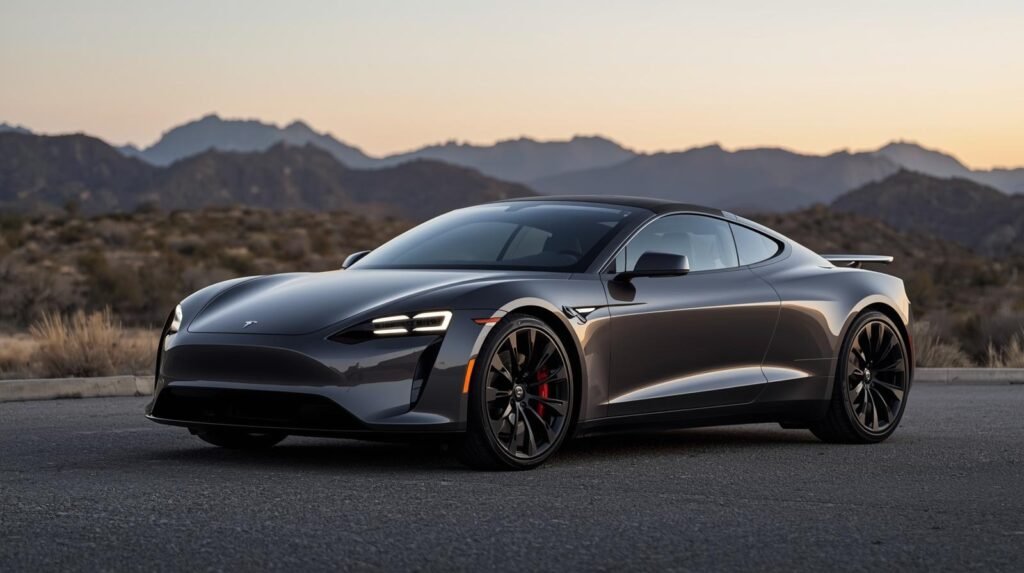
Tesla’s second-generation Roadster, expected for release in 2025, promises to be a game changer in terms of speed. With a top speed of 250 mph (402 km/h), the Roadster is designed to outshine most gas-powered cars. It uses a tri-motor setup for exceptional acceleration, reaching 0 to 60 mph in just 1.9 seconds.
Key Features:
- Power: 1,000+ horsepower
- Acceleration (0-60 mph): 1.9 seconds
- Top Speed: 250 mph
- Price: $200,000+
3. Lucid Air Sapphire – Top Speed: 217 mph (350 km/h)
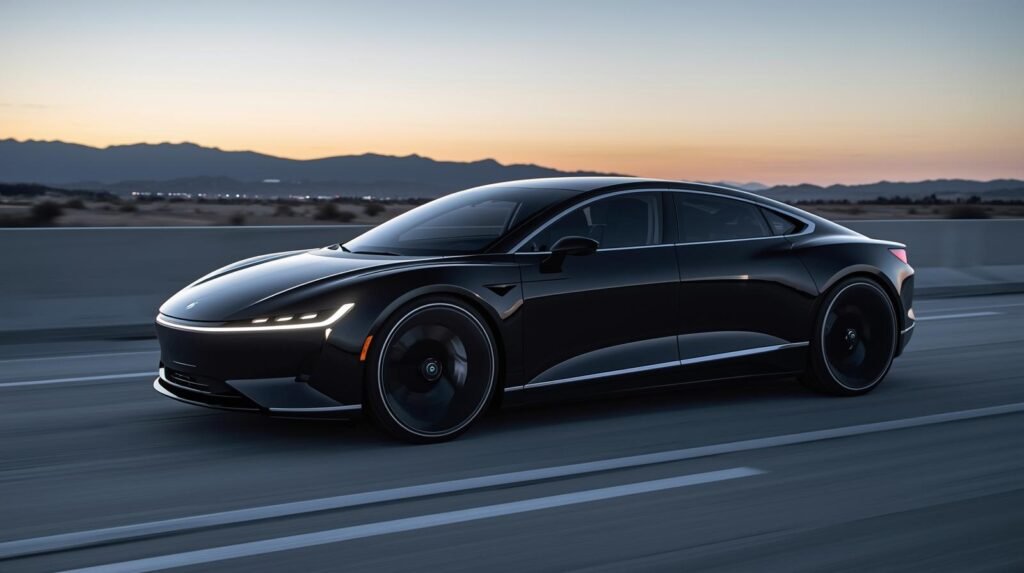
The Lucid Air Sapphire is a luxury sedan that combines comfort with extraordinary performance. With a top speed of 217 mph (350 km/h), this car delivers unmatched speed while maintaining the improvement and smooth driving experience Lucid is known for. This high-performance electric sedan is expected to hit 0-60 mph in 1.99 seconds.
Key Features:
- Power: 1,200+ horsepower
- Acceleration (0-60 mph): 1.99 seconds
- Top Speed: 217 mph
- Price: $249,000+
4. Pininfarina Battista – Top Speed: 217 mph (350 km/h)
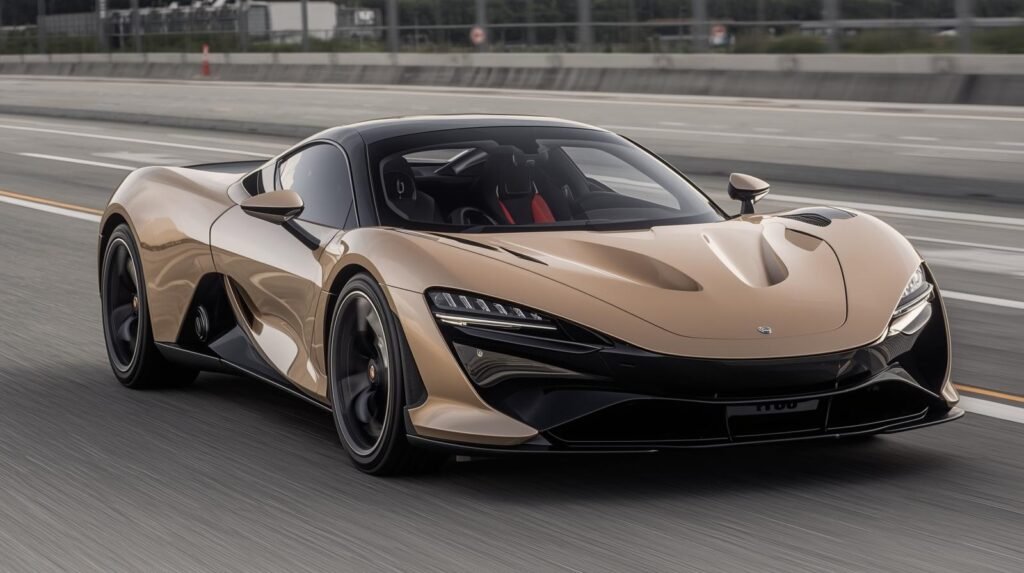
The Pininfarina Battista is an Italian hypercar that combines breathtaking speed with a sophisticated design. With a top speed of 217 mph (350 km/h), the Battista showcases impressive acceleration capabilities and sleek aesthetics. It can accelerate from 0 to 60 mph in just 2 seconds.
Key Features:
- Power: 1,900 horsepower
- Acceleration (0-60 mph): 2 seconds
- Top Speed: 217 mph
- Price: $2.5 million
5. Lotus Evija – Top Speed: 200 mph (322 km/h)
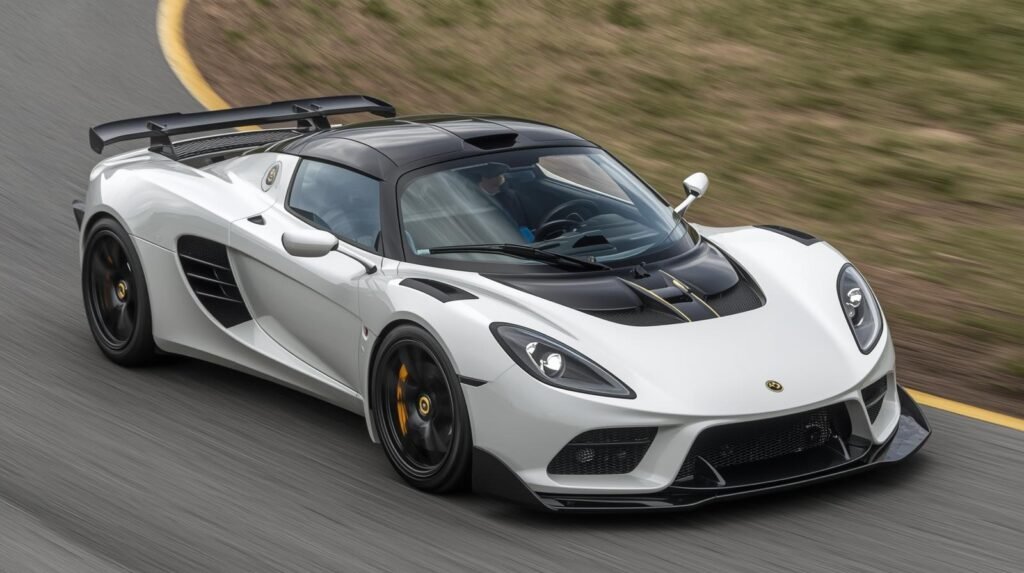
The Lotus Evija is one of the most well-known electric hypercars. While its top speed of 200 mph (322 km/h) might not be as fast as some of its competitors, it still delivers stunning acceleration and impressive handling. This car is powered by a 1,972-horsepower electric motor, capable of reaching 0-60 mph in less than 3 seconds.
Key Features:
- Power: 1,972 horsepower
- Acceleration (0-60 mph): Under 3 seconds
- Top Speed: 200 mph
- Price: $2 million
What Technology is Used in the Fastest Electric Cars?
The technology behind these speed demons is nothing short of revolutionary. Let’s break down some key innovations that make these cars incredibly fast:
- Electric Powertrain: Electric motors are far more efficient than convention engines, providing nearly instant torque. This allows for incredible acceleration, especially in electric cars like the Rimac Nevera and Tesla Roadster.
- Battery Technology: Cutting-edge lithium-ion battery packs and solid-state batteries provide a mix of high energy density, faster charging times, and lighter weight, which helps achieve maximum performance while maintaining a reasonable driving range.
- Torque Vectoring: Some of the fastest electric cars, like the Rimac Nevera, use torque vectoring technology, which controls the amount of torque delivered to each wheel. This improves handling and ensures power is distributed ideally for maximum acceleration.
- Active Aerodynamics: Speedsters like the Tesla Roadster and Lucid Air use active aerodynamics that adjust the vehicle’s aerodynamics based on driving conditions, reducing delay and enhancing top speed and efficiency.
Pros and Cons of the Fastest Electric Cars
- Instant Torque & Acceleration: Electric motors deliver power instantly, allowing these vehicles to accelerate quickly and reach high speeds in a matter of seconds.
- Eco-Friendly: Being fully electric, these vehicles produce zero emissions, contributing to cleaner air and a reduction in environmental pollution.
- Lower Maintenance: With fewer moving parts than traditional gasoline engines, electric cars require less maintenance, resulting in lower long-term costs.
- Innovative Technology: Electric vehicles often feature cutting-edge technology such as autonomous driving features, advanced automotive head unit, and more.
- Quiet Operation: Electric cars are much quieter than their gasoline counterparts, providing a smoother, quieter driving experience.
- High Cost: The price of these high-performance electric cars can be astronomical, often reaching millions of dollars.
- Limited Availability: Many of these cars are produced in limited numbers, meaning they may not be easily accessible to the average consumer.
- Range Anxiety: Although EV technology is improving, long-range trips may still cause some concerns, especially with vehicles that are optimized for speed over long-range efficiency.
- Charging Infrastructure: While charging stations are growing, they are not ever-present gas stations, especially in remote areas.
- Battery Degradation: Over time, battery performance can degrade, affecting both the range and performance of the car.
Benefits for Our Surroundings
Electric cars, especially the fastest ones, have a significant positive impact on our environment. Here’s how:
- Reduced Carbon Emissions: EVs emit zero vehicle emissions, which reduces the overall greenhouse gases released into the atmosphere. As more renewable energy sources are used to charge these cars, the environmental impact decreases even further.
- Less Air Pollution: Electric cars contribute to cleaner air by eliminating harmful pollutants like nitrogen oxide (NO2) and particulate matter that are often produced by gasoline-powered vehicles.
- Sustainability in Manufacturing: Manufacturers of electric vehicles are increasingly focusing on sustainable production processes, using recycled materials and improving energy efficiency in their factories.
- Reducing Noise Pollution: EVs are inherently quieter than traditional internal combustion engine vehicles, which can help reduce noise pollution, especially in urban areas.
- Advancements in Renewable Energy: The rise of electric vehicles is closely linked to the growth of renewable energy sources, such as wind and solar power, as they provide a cleaner way to charge the vehicles.
What is the fastest electric car in 2025?
The Rimac Nevera is currently the fastest electric car in the world, with a top speed of 258 mph (415 km/h).
Can the Tesla Roadster beat the Rimac Nevera?
The Tesla Roadster (2025 model) is expected to have a top speed of 250 mph (402 km/h), making it one of the fastest cars, though it currently doesn’t surpass the Rimac Nevera.
What’s the price of the fastest electric cars?
The prices may vary, but Rimac Nevera is priced around $2.4 million, while the Tesla Roadster starts at approximately $200,000+.
Are electric cars as fast as gas-powered cars?
Yes! In fact, many modern electric cars, especially the hypercars, outshine traditional gas-powered vehicles in terms of acceleration and speed.
What makes electric cars faster than gasoline-powered cars?
Electric cars benefit from instant torque, lightweight materials, and more efficient power delivery, which allow them to accelerate and reach high speeds much faster than traditional internal combustion engines.
Conclusion
The world of electric vehicles is changing rapidly, and 2025 is shaping up to be a landmark year for fast electric cars. Whether you’re a speed enthusiast or someone looking for cutting-edge technology, the fastest electric cars today offer a glimpse into the future of motoring. As technology continues to evolve, we can expect even faster, more powerful, and more efficient electric vehicles to hit the roads, pushing the limits of what is possible in automotive performance.