
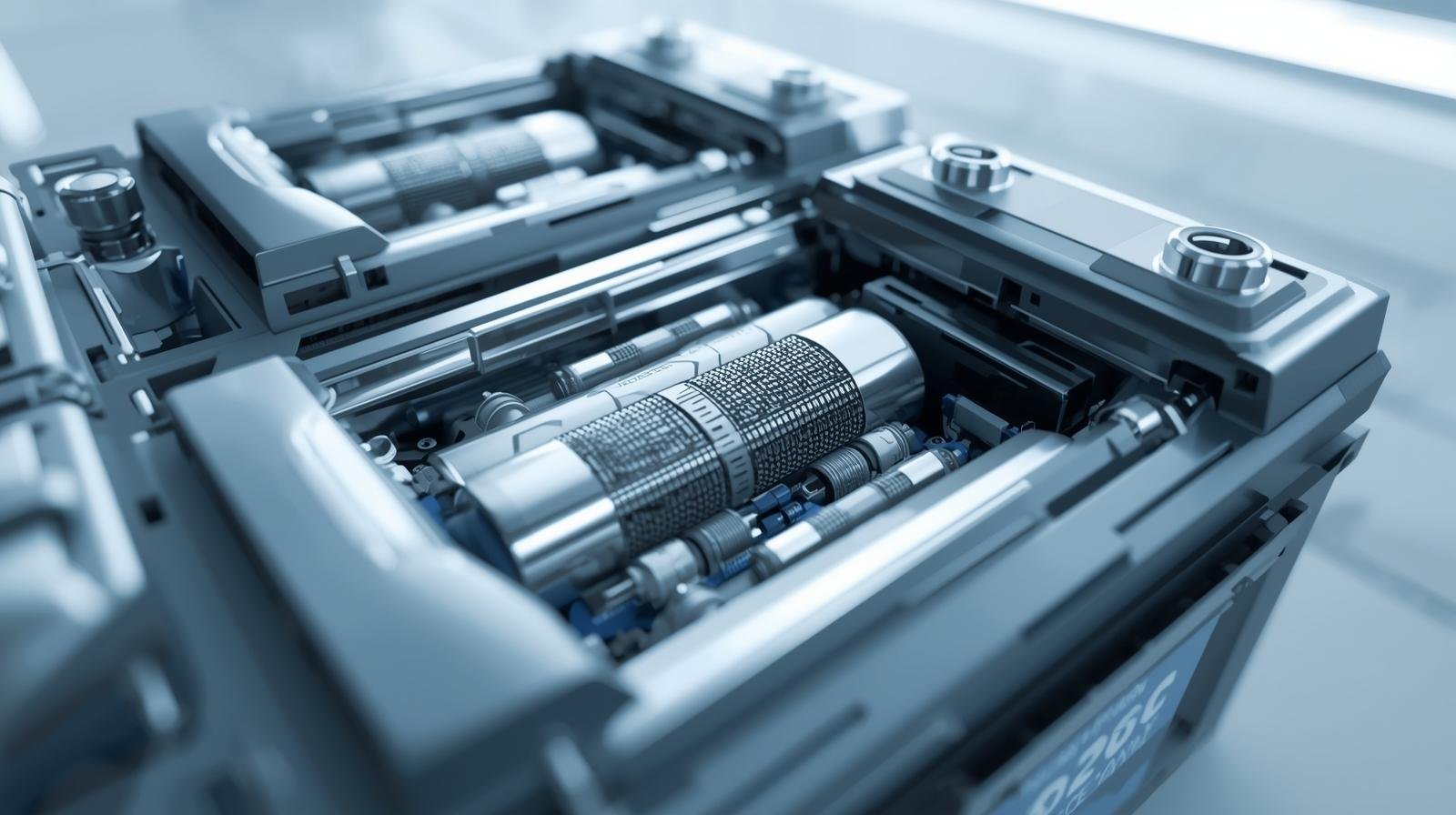
What do you think happens with EV batteries when they reach the end of their lifecycle? Definitely not throwing them away because the high-powered energy packs go through an interesting process after they are done powering the cars. From reuse in homes to being recycled to extract raw materials, EV batteries have a lot to offer, even when the engine stops running.
What Happens to EV Batteries at the End of Life?
With electric vehicles (EVs) growing in popularity we must figure out the best route for the end of life for an EV battery. Most people disregard the outcome of the battery’s life cycle once an EV’s strong battery stops letting the vehicle function. These batteries are not ordinary and built with precious and even hazardous materials like lithium, cobalt and nickel. Because of this, disposal, reuse, and recycling are very important.
How Long Do EV Batteries Last?
Typically, EV batteries last 8 to 15 years, varying based on use, climate, and battery care. Although batteries do lose some of their ability to hold a charge, most still retain 60 to 80 percent of their original charge even after the vehicle reaches the end of its life. This means they can still be useful, just not for your car.
Why EV Battery Disposal Matters?
Throwing away EV batteries the wrong way can be really bad for the environment. If left in landfills, they can seep harmful chemicals into the ground and water. However, EV batteries can be recycled effectively and be a great source for repurposing and supplying power to homes and businesses. Effective management and recycling of batteries right at their end of the battery life will be crucial for protecting the environment as well as achieving a circular battery economy.
Second-Life Applications for EV Batteries
Another important option is giving old EV batteries second-life uses. These batteries can be:
- Used for home energy storage systems (with solar power),
- Used for business energy backup systems
- Used for off-grid power systems
- Used for public infrastructure
- Used for solar street lighting
An example is Nissan, which has delivered on the reuse of its Leaf batteries for solar powered streetlights in Japan. The batteries can perform in these systems as the batteries hold a considerable charge, even if they no longer function as optimally.
Battery Recycling: Giving Materials a New Life
Once batteries are completely used, even for second-life opportunities, they are sent to be recycled. During this process, valuable materials are removed, including:
* Lithium
* Cobalt
* Nickel
* Manganese
* Copper
There are three primary forms of recycling EV batteries:
* Pyrometallurgy (heat-based): melts the battery to retrieve the metals.
* Hydrometallurgy (chemical-based): employs chemicals to isolate the metals.
* Direct recycling: battery components are preserved to be reused.
Avoiding the need for newly mined materials, recycling reduces the costs of production and fosters EV growth that is truly sustainable.
Manufacturer Take-Back Programs
Many EV manufacturers now have take-back or recycling programs that guarantee safe and responsible reuse or recycling of batteries. Examples of such manufacturers are:
- Tesla: Recycles all of its battery packs through in-house systems completely.
- BMW: Collaborates with recycling firms on closed-loop battery recovery.
- Volkswagen: Operates pilot recycling facilities in Europe.
Returning your EV battery to the original manufacturer or service partner promotes a cleaner, more efficient battery ecosystem.
Repurposing for Industrial Use
Some EV batteries are repurposed into different industries. Though they may not be suitable for high-performance vehicles, they are still great for:
- Forklifts
- Electric scooters
- Mobile energy storage systems
- Construction backup systems
Since the applications are less demanding, older batteries that are still fully functional work great.
Research and Development Use
Even after EV batteries are no longer useful, they are still great for research and training. They are used for:
- Engineering labs to research outdated batteries.
- Technician training.
- Testing new battery technology.
These help make advancements in the recycling process, next generation battery design, and evolving batteries for improved electric vehicles.
The Problem with Landfilling Batteries
Even though it is not as common, some EV batteries still go to landfills, especially in countries without proper infrastructure. This is an environmental hazard. Substances that can poison land, water, and humans will leak from batteries. It also wastes recyclable materials that can be recovered.
Global Efforts to Improve Battery End-of-Life Management
Everywhere, from governments to businesses, there are big efforts to sort out the responsible management of EV battery waste.
- The European Union: Sets the most comprehensive rules about the recycling and disposal of batteries.
- China: Has cutting edge tech startups and required battery recycling and disposal tracking, making them the best battery recyclers.
- United States: Has the company Redwood Materials, which plans on creating an integrated, locally based, battery recycling system.
These are the first steps toward global battery sustainability.
Challenges in Recycling EV Batteries
Even with advancements, there are still challenges with EV battery end-of-life management, such as:
- High costs of recycling
- Variations in designs of batteries across different manufacturers
- Batteries containing volatile matter which may explode if not handled properly
- Some regions having little recycling infrastructure
Innovation, investment, and working with different countries are needed to resolve these issues.
Future of EV Battery Technology
The future of battery technology is looking good. There are signs in the data of:
- More Easy to Recycle Batteries
- Safer, Non-Toxic Chemistries
- Batteries that Last Longer
- Standardized Designs that are Easy to Take Apart
Some Experts Predict Batteries will be Designed to be Recyclable from the Beginning.
What Can You Do as an EV Owner?
As an EV owner, you can contribute to a more sustainable EV battery life.
- – Pick car brands which recycle batteries.
- – Do not throw away EV batteries as household trash.
- – Use manufacturer take-back programs.
- – Drive and charge in a way that extends battery life.
- – Back initiatives that recycle and promote clean energy.
What you do counts. It affects the planet, the industry, and the people who come after you.
EV Batteries: Not the End, But a New Chapter
What happens to an electric vehicle battery at the end of its life span? As we’ve seen, their journey doesn’t end when they stop powering your vehicle. These used batteries can still do a lot of good for the society. There is reuse, recycling, repurposing, repurposing for research, etc. The challenge is to create effective systems and raise the public’s awareness to engineering the batteries sustainably.
What happens to EV batteries once they finish powering a vehicle; are they reusable?
Sure, they still have 60-80% of their capacity and are good options for home energy storage or as backup for industrial batteries.
Are batteries for electric vehicles recyclable?
Yep, and for good reason. Lithium, cobalt, and nickel are a few precious minerals modern recycling techniques retrieve and repurpose for new batteries.
Is it safe to throw away an EV battery at home?
No, EV batteries, hidden or not, shouldn’t be thrown away or installed into household items. That’s hazardous waste that only trained professionals should handle.
What happens when batteries are disposed of without following the proper procedures?
Soil and water contamination, negative leaking, and wasted valuable materials will all result from the improperly disposed of batteries.
Final Thoughts
When an EV battery in a car becomes ‘lifeless’, it will still have lots of energy to spare in one way or the other as it will be repurposed, recycled, or reimagined. Practicing responsible EV usage, one will assist in minimizing the impact of negativity, so the discarded EV batteries will energize a greener world, long after they have been used.