
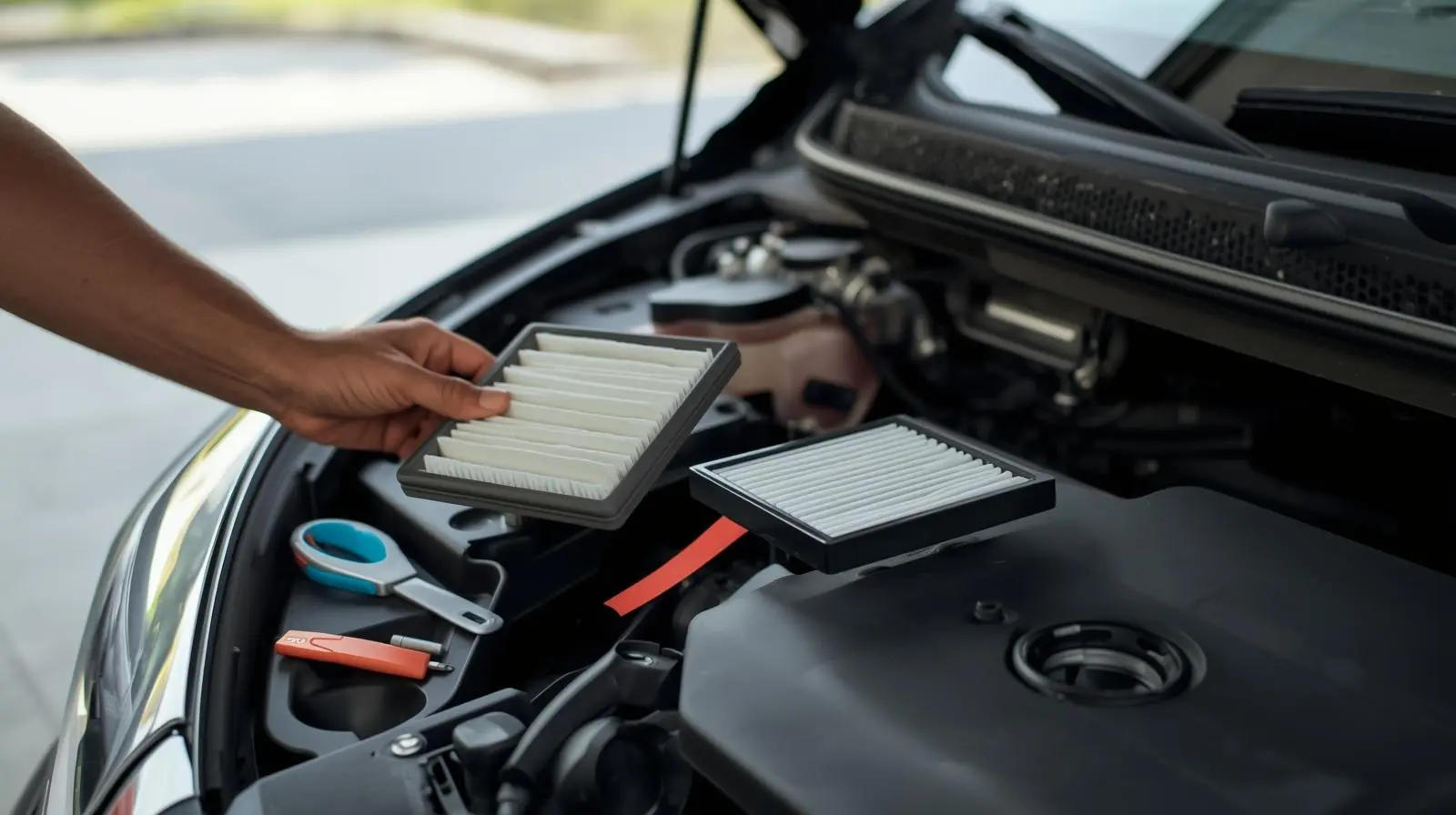
Changing your car’s air filter is an essential part of maintaining your vehicle. A clean air filter ensures that your engine gets the proper airflow, which is vital for its performance and fuel efficiency. In this guide, we’ll walk you through how to change your car’s air filter, how often you should replace it, and some other useful tips to help you keep your car running smoothly. Whether you’re a seasoned car enthusiast or a complete beginner, this guide is easy to follow and understand.
What is an Air Filter in a Car?
Before we dive into the steps of changing the air filter, let’s first understand what it is and why it’s so important.
An air filter is a crucial component of your car’s engine. It filters out dirt, dust, and other debris from the air entering the engine, ensuring that only clean air is used for combustion. This helps the engine run efficiently, improves fuel economy, and protects the engine from damage. Over time, the air filter can become clogged with dirt and debris, which can reduce engine performance and fuel efficiency.
How to Change Car Air Filter: Step-by-Step Guide?
Changing a car air filter is a simple task that most car owners can do themselves with the right tools. Here’s a step-by-step guide to help you through the process:
Step 1: Gather the Tools You Need
Before starting, make sure you have the necessary tools:
- A new air filter (make sure it’s compatible with your car’s make and model)
- A screwdriver (depending on the car, you may need a flathead or Phillips screwdriver)
- A flashlight (to see better inside the engine compartment)
- Gloves (optional, to keep your hands clean)
Step 2: Locate the Air Filter Box
The air filter is usually located in a rectangular or cylindrical box near the engine. In most cars, you’ll find the air filter box near the front of the engine bay. The air filter is typically housed in a black plastic box with screws or clips holding it shut.
To locate it, open the car hood and look for a large black box. You may need to consult your car’s manual if you’re having trouble finding it.
Step 3: Open the Air Filter Box
Once you’ve located the air filter box, you will need to open it. Most air filter boxes have clips or screws that hold them shut. Depending on the design of your car, you may need a screwdriver to remove the screws or simply pull the clips to release the lid.
Be careful not to break any clips or screws, as you’ll need to reattach them when you put the box back together.
Step 4: Remove the Old Air Filter
Once the box is open, remove the old air filter carefully. Take note of how the old filter is positioned inside the box so you can place the new one in the same way. Be sure to check the filter for any debris or dirt that might have collected inside the box. Use a cloth to wipe down the inside of the air filter compartment to ensure it’s clean.
Step 5: Install the New Air Filter
Take your new air filter and place it into the air filter compartment. Ensure that it’s positioned correctly, just like the old one was. The filter should fit snugly into the compartment. Double-check to make sure it’s seated properly, as a loose filter can affect airflow and engine performance.
Step 6: Close the Air Filter Box
Once the new filter is securely in place, close the air filter box and reattach any screws or clips that were holding the box shut. Make sure everything is tightly secured before moving on.
Step 7: Test Your Car
Start the engine and check for any unusual noises. If everything sounds normal, you’ve successfully replaced the air filter! You should also notice a slight improvement in your car’s performance and fuel efficiency, especially if the old air filter was clogged.
How Often Should You Change Your Car Air Filter?
You might be wondering how often you should change your car’s air filter. The general recommendation is to change it every 12,000 to 15,000 miles, or at least once a year, depending on the driving conditions.
However, if you often drive in dusty or dirty environments (such as off-road driving or in areas with heavy pollution), you may need to change the air filter more frequently. It’s always a good idea to consult your car’s manual for specific recommendations.
Here are a few signs that it’s time to change your air filter:
- Reduced engine performance or power
- Decreased fuel efficiency
- Strange engine sounds or sputtering
- A noticeable decrease in acceleration
If you notice any of these issues, it might be time for a new air filter.
Benefits of Changing Your Car’s Air Filter Regularly
- Improved Engine Performance: A clean air filter ensures that the engine gets the right amount of air for combustion, which improves its overall performance.
- Better Fuel Efficiency: A clogged air filter restricts airflow, making the engine work harder and consume more fuel. A new air filter can improve fuel economy by up to 10%.
- Prevents Engine Damage: Dirt and debris can damage internal engine components. A clean air filter protects the engine from unnecessary wear and tear.
- Environmental Benefits: Keeping your air filter clean helps reduce emissions by ensuring proper combustion, which in turn benefits the environment.
FAQs
1. Can I drive without an air filter?
Technically, you can drive without an air filter, but it’s not recommended. Driving without an air filter can allow dirt and debris to enter the engine, potentially causing serious damage to internal engine components.
2. How do I know if my air filter needs to be replaced?
If you notice a drop in fuel efficiency, engine performance, or strange sounds coming from the engine, it may be time to replace your air filter. Additionally, if the filter looks visibly dirty or clogged, it’s time for a replacement.
3. How much does it cost to replace a car air filter?
The cost of a replacement air filter varies depending on the make and model of your car. On average, an air filter can cost between $10 and $40, with labor costs ranging from $20 to $50 if you have it done at a mechanic. However, doing it yourself can save you money.
4. Can I clean my air filter instead of replacing it?
Some air filters, especially reusable ones like K&N filters, can be cleaned and reused. However, most standard paper air filters cannot be cleaned and should be replaced when they get dirty.
Conclusion
Changing your car’s air filter is a simple yet important task that can improve engine performance, increase fuel efficiency, and protect your engine from unnecessary damage. By following the steps outlined in this guide, you can easily replace the air filter yourself and enjoy the benefits of a cleaner, more efficient engine.
Remember to check your car’s manual for specific air filter replacement intervals, and don’t hesitate to replace the filter sooner if you notice any of the signs of a clogged filter. A little maintenance now can save you money in the long run and keep your car running smoothly for years to come.