
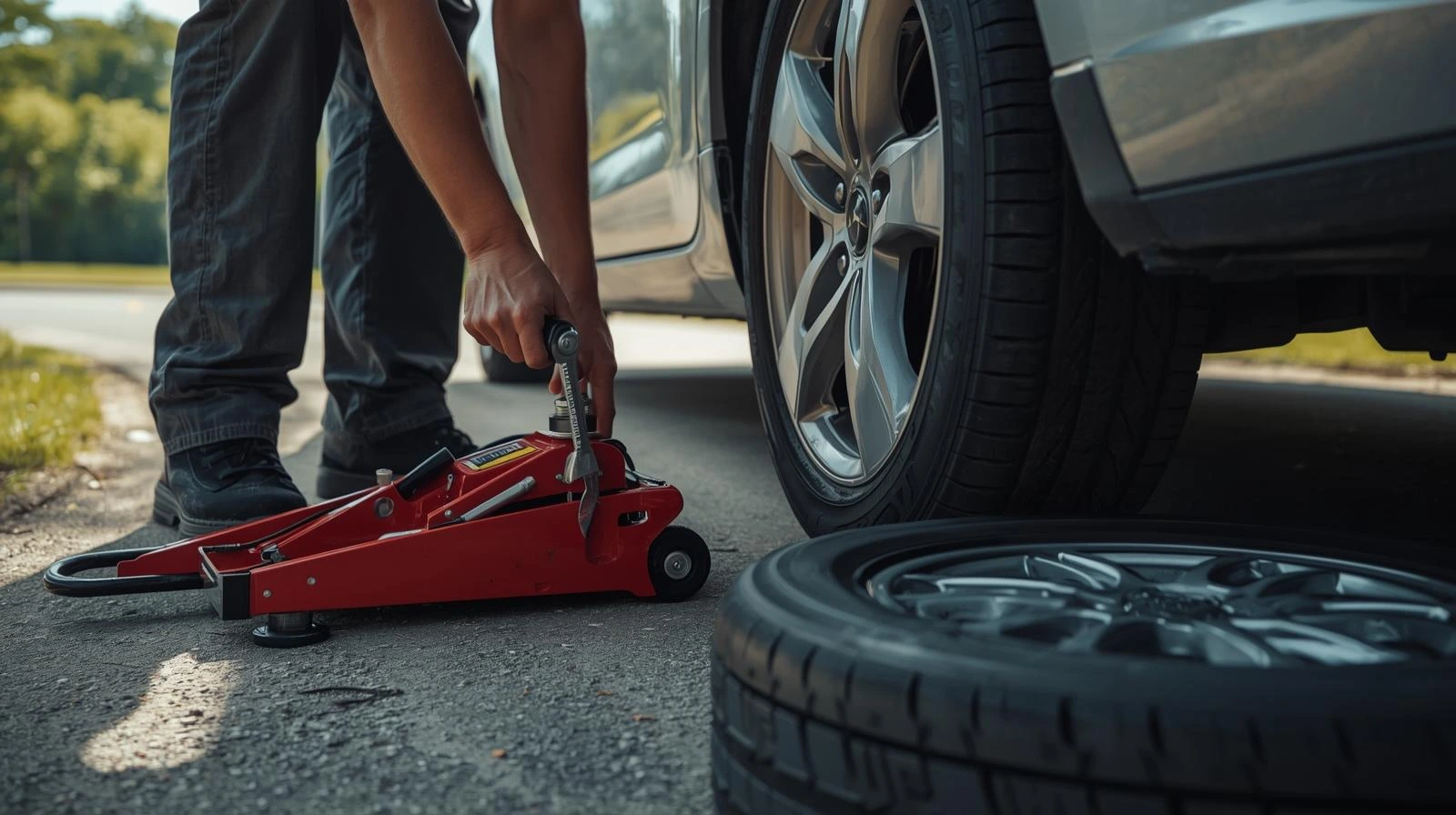
Having a flat tire can happen at the most inconvenient times, but knowing how to change a car tire can save you a lot of trouble. Whether you’re stuck on a busy highway, in a parking lot, or on a long road trip, knowing how to change a tire quickly and safely can get you back on the road in no time.
In addition, learning how to change a tire gives you independence, reduces the need for towing services, and may even save you money in the long run. Let’s break down how you can change your flat tire, step by step.
How to Prepare for Changing a Tire?
Before you begin the process, you’ll need to make sure you have the proper tools and safety equipment. Here’s a checklist of things you’ll need:
- Spare tire (Make sure it’s properly inflated)
- Car jack
- Lug wrench
- Wheel chocks (or a brick, to prevent the car from rolling)
- Gloves (Optional but recommended for grip and safety)
- Flashlight (if it’s dark outside)
Important Safety Tips Before You Begin:
- Find a safe location: Ensure the car is parked on a level surface and away from traffic. Use the parking brake to prevent the car from moving.
- Turn off the engine: Make sure your car is turned off and the keys are removed from the ignition.
- Wear reflective gear: If you’re on the side of a busy road, it’s wise to wear reflective clothing for visibility.
Step-by-Step Guide: How to Change a Flat Tire
Changing a tire isn’t as complicated as it sounds. Follow these easy steps:
Step 1: Secure the Vehicle
Before you do anything, ensure that your car is secure. Place a wheel chock behind one of the tires that’s still on the ground to prevent the vehicle from rolling.
Step 2: Loosen the Lug Nuts
Using the lug wrench, slightly loosen (but don’t remove) the lug nuts on the flat tire. Turn the wrench counterclockwise to loosen them. Don’t take them all the way off yet, just break the initial tightness.
Step 3: Jack Up the Car
Place the car jack underneath the vehicle’s jack point. Most cars have designated spots for a jack, often located near the frame or along the side of the vehicle. If you’re unsure, consult your owner’s manual.
Slowly and carefully raise the jack until the flat tire is about 6 inches off the ground. Be sure that the jack is stable and the car is secure.
Step 4: Remove the Flat Tire
Now that the car is raised, completely remove the loosened lug nuts. Keep them in a safe place, as you’ll need them to attach the new tire. Once the lug nuts are removed, take the flat tire off and set it aside.
Step 5: Mount the Spare Tire
Lift the spare tire and place it onto the wheel hub, aligning the holes of the tire with the bolts. Once it’s in place, push it all the way onto the hub.
Step 6: Tighten the Lug Nuts
Start tightening the lug nuts by hand. Once all nuts are on, use the lug wrench to tighten them further. Do this in a criss-cross pattern (tighten one nut, then move to the one directly opposite it) to ensure an even fit.
Step 7: Lower the Car
Slowly lower the jack to bring the car back to the ground. Once the car is back on the ground, remove the jack.
Step 8: Final Tightening
After the car is fully lowered, use the lug wrench to tighten the nuts as much as possible. Make sure they are snug and secure. Double-check the tightness before you finish.
Step 9: Clean Up and Store Your Tools
Put the flat tire and your tools back in your trunk. Ensure everything is properly stored before you drive off.
How to Jack Up a Car to Change a Tire?
Jacking up your car safely is one of the most crucial parts of the tire-changing process. Here’s how to do it right:
- Locate the jack points: These are the reinforced areas under your car where you can safely place the jack. Consult your vehicle’s manual if you’re unsure.
- Position the jack: Place the jack under the jack point. Ensure the jack is centered and perpendicular to the ground.
- Lift the car slowly: Turn the jack handle to raise the car slowly. Always keep an eye on the jack to make sure it’s not slipping.
- Stop once the tire is off the ground: Don’t raise the car too high. Just enough to remove and replace the flat tire.
Common Mistakes to Avoid When Changing a Tire
To make sure you do the job safely and correctly, here are a few common mistakes to avoid:
- Not loosening lug nuts first: Always loosen the lug nuts before lifting the car.
- Using the wrong jack point: Always check the vehicle’s manual to ensure you’re using the correct jack points to prevent damaging your car.
- Not properly securing the vehicle: Use a wheel chock to prevent the car from rolling when you’re working.
- Over-tightening the lug nuts: Tighten them to a good level, but don’t overdo it. You can always check the torque once you’re on the road.
Tips for Maintaining Your Tires
- Check tire pressure regularly: Keep your tires properly inflated to ensure maximum performance and safety.
- Rotate your tires: Regular tire rotations can help extend the life of your tires and improve overall vehicle handling.
- Inspect for wear and tear: Look for signs of wear on the tread and replace tires as needed to avoid accidents.
FAQs
1: How long does it take to change a car tire?
It generally takes around 20-30 minutes to change a flat tire, depending on your experience and the condition of your car and tools.
2: Can I drive on a flat tire to the nearest mechanic?
No, driving on a flat tire can damage your wheel and other parts of your car. It’s best to change it immediately or have it towed to a mechanic.
3: What if my spare tire is also flat?
If both your tires are flat, you may need to call for roadside assistance or a tow to the nearest service station.
4: Can I use a car jack from another vehicle?
Yes, as long as the jack is rated for the weight of your car and fits securely under the car’s jack point.
Conclusion:
Changing a flat tire might seem intimidating, but it’s a straightforward task that anyone can learn with practice. By following these simple steps, you’ll be able to change your tire safely and efficiently. Remember to always be cautious and take your time, especially when working on the side of the road. Keep your tools and spare tire in good condition, and make sure you’re ready for any roadside emergency.