
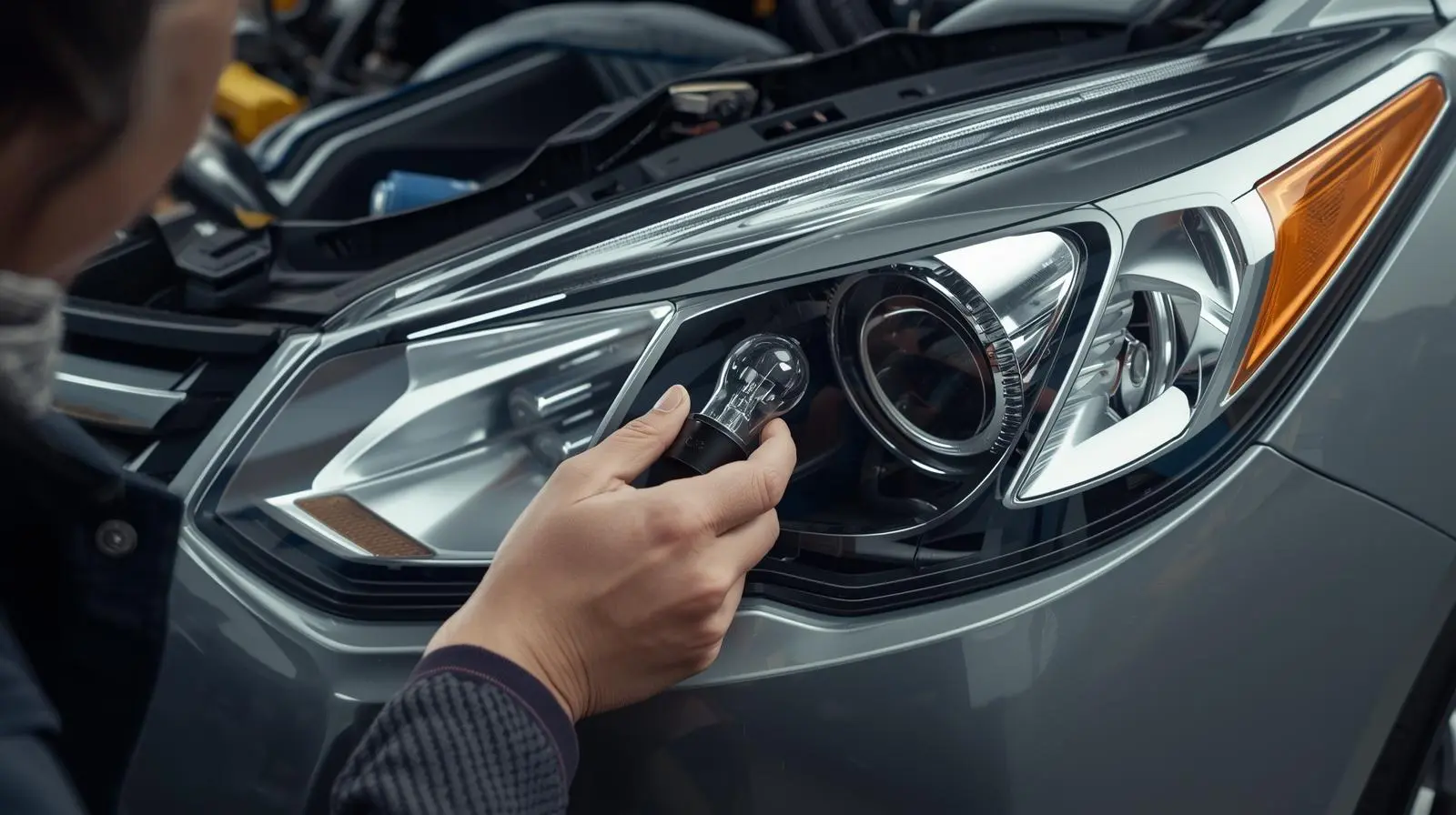
When a light bulb in your car goes out, it can be a real hassle. Whether it’s the headlights, brake lights, or turn signals, changing a car light bulb is something every car owner should know how to do. Not only does this save you time and money, but it ensures that your vehicle remains roadworthy and safe. In this detailed guide, we’ll walk you through everything you need to know about how to change a car light bulb in a simple and easy-to-understand way.
1. Why Changing Car Light Bulbs is Important?
Having working lights on your vehicle is crucial for both safety and legality. In many places, driving with broken lights can lead to fines or even accidents. Faulty lights can be harder for other drivers to see, especially at night, increasing the risk of a collision. Moreover, some lights like brake lights or turn signals are necessary for communicating your movements to other road users. Changing a car light bulb is an essential part of vehicle maintenance that should not be ignored.
2. Common Types of Car Light Bulbs
Before diving into how to change a light bulb in a car, it’s important to understand the different types of bulbs your car might have. The most common ones are:
- Headlights: These are the most powerful lights on your car and help you see the road ahead at night. There are two main types: halogen and LED headlights.
- Tail Lights: Located at the back of the car, tail lights signal your presence to drivers behind you, especially when you’re braking or stopping.
- Turn Signal Lights: These blink to indicate your intention to turn or change lanes.
- Brake Lights: Activated when you press the brake pedal, these lights warn other drivers that you are slowing down or stopping.
There are also other lights such as fog lights, interior lights, and license plate lights, but they are less commonly replaced.
3. How to Identify a Faulty Light Bulb
One of the first signs that you need to change a light bulb in your car is simply noticing that it’s no longer working. You may notice:
- A headlight or tail light is dim or completely out.
- The brake or turn signal light is no longer blinking or is blinking too quickly.
- A warning light on your dashboard indicating a faulty light.
If you’re unsure whether the bulb is faulty or if it’s a wiring issue, a quick visual inspection and testing the bulb should clarify it. Some cars even allow you to check the bulbs through the car’s dashboard for specific issues.
4. Step-by-Step Guide to Changing a Car Light Bulb
Here is a simple step-by-step guide for how to change a car light bulb, which includes instructions for different types of lights.
How to Change the Headlight Bulb?
Changing a headlight bulb is relatively easy but might require removing parts of the front of the car, depending on the make and model of your vehicle.
Steps:
- Turn off your vehicle and disconnect the battery to avoid any electrical issues.
- Access the headlight assembly. This usually involves opening the hood and locating the headlight unit. In some cars, you may need to remove a plastic cover or unscrew the headlight casing.
- Remove the old bulb. Once you have access to the headlight, twist or pull the socket to release the bulb. You may need to press a clip or release a small tab to remove it.
- Insert the new bulb. Carefully insert the new bulb into the socket, making sure it fits snugly.
- Test the new bulb. Before putting everything back, turn on your car to check that the new bulb works.
- Reassemble the headlight assembly. Once you confirm the bulb works, reattach any parts you removed, including the plastic covers or screws.
How to Change the Tail Light Bulb?
Changing the tail light bulb is usually simpler because it’s on the rear of the car.
Steps:
- Locate the tail light housing. This is typically accessed from the inside of the trunk or rear panel.
- Remove the tail light cover. Unscrew or unclip the cover to access the bulb.
- Remove the old bulb. Twist and pull the bulb socket to remove it from the housing.
- Insert the new bulb. Insert the new bulb into the socket and check that it fits properly.
- Reassemble the housing. Once the bulb is in place, reattach the housing and test the light.
How to Change the Turn Signal Bulb?
Turn signal bulbs are often small and can be tricky to replace, but the process is straightforward.
Steps:
- Locate the turn signal housing. It’s typically near the headlight or the rear light section of the car.
- Remove the housing cover. This might require unscrewing or unclipping a cover.
- Pull out the bulb. Carefully twist or pull the socket to remove the turn signal bulb.
- Insert the new bulb. Place the new bulb into the socket and test it to ensure it’s working.
- Reassemble the cover. Reattach the cover and check that everything is working.
How to Change the Brake Light Bulb?
Brake light bulbs are similar to tail light bulbs but often require special attention since they are critical for your safety.
Steps:
- Open the trunk or rear panel. Accessing the brake light usually involves removing some screws or clips from the inside of the car.
- Remove the brake light cover. This will expose the bulbs and the socket.
- Remove the bulb. Twist or pull the bulb out of the socket, depending on the design.
- Replace the bulb. Insert the new brake light bulb and make sure it’s securely in place.
- Reassemble the brake light housing. Once you’ve confirmed the bulb is working, reassemble the brake light housing.
FAQs
1: Can I change the car light bulb myself, or should I go to a mechanic?
You can easily change a car light bulb yourself with a bit of patience and basic tools. However, if you’re unsure or unable to access the bulb, it’s best to visit a mechanic.
2: How often should I change my car light bulbs?
Car light bulbs don’t have a specific lifespan, but you should replace them when they burn out or become dim. Regularly check your lights to ensure they’re all functioning.
3: Are LED headlights better than halogen bulbs?
Yes, LED headlights generally last longer, consume less power, and provide brighter illumination compared to halogen bulbs. However, they can be more expensive.
4: What should I do if my brake light doesn’t work after changing the bulb?
If the brake light still doesn’t work after replacing the bulb, check the fuse or wiring for issues. If these appear fine, it may be best to consult a professional.
Conclusion
Changing a car light bulb is a straightforward task that every car owner can learn to do. Whether it’s a headlight, brake light, or turn signal, knowing how to replace these bulbs yourself can save you both time and money. Regular maintenance of your vehicle’s lights ensures that you remain safe on the road and comply with traffic laws. If you’re unsure about the process, don’t hesitate to seek professional help.