
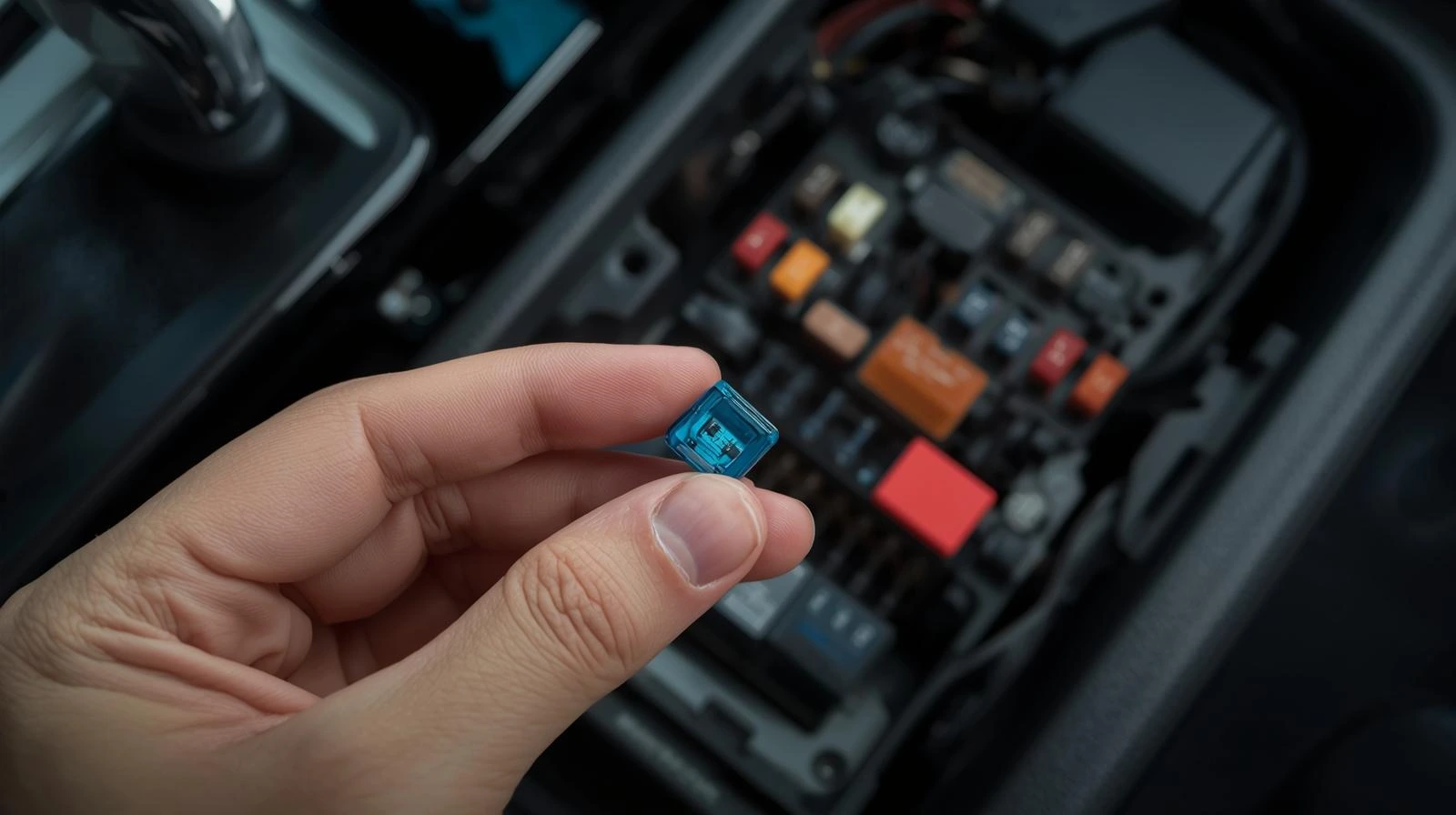
When a specific electrical component in your car stops working, the problem could often be traced back to a blown fuse. The good news is that changing a car fuse is an easy and inexpensive task that you can do yourself, saving you both time and money. In this comprehensive guide, we will walk you through how to change a fuse in a car, what to do if you encounter problems, and the tools you need for a successful replacement.
What is a Car Fuse?
Before we dive into the “how,” it’s important to understand what a fuse is and why it’s in your car. A car fuse is a small, thin piece of metal that protects your car’s electrical circuits from overloading. When too much current flows through the fuse, it “blows,” or breaks, thereby preventing damage to other electrical components in your car, such as lights, radio, or power windows.
Why Do Fuses Blow?
Fuses can blow for a variety of reasons. Some common causes include:
- Overloading: A circuit draws more power than it’s designed to handle, causing the fuse to blow as a safety mechanism.
- Short Circuit: A short circuit occurs when electrical wiring gets damaged or misaligned, causing it to touch another surface.
- Faulty Components: Sometimes, the devices connected to the circuit, like your car’s radio or headlights, might malfunction, causing a surge in electrical current that blows the fuse.
- Old or Worn Fuses: Over time, fuses can become less effective and may blow without any apparent reason.
If you notice that something in your car isn’t working, like a light or the radio, and you suspect the fuse has blown, here’s how to go about changing it.
How to Change a Car Fuse: A Step-by-Step Guide
1. Identify the Problem
Before replacing a fuse, you need to figure out which one has blown. Most vehicles have a fuse box located either under the dashboard or in the engine compartment. The owner’s manual of your car will usually provide a diagram of the fuse box, making it easy to find the right fuse.
- Check the Symptoms: If your radio isn’t working, it’s likely that the fuse for the radio has blown. If the headlights aren’t functioning, check the headlight fuse.
- Verify the Issue: A quick visual inspection of the fuse will help you verify if it’s blown. A blown fuse often has a broken metal filament inside.
2. Turn Off the Car
For safety reasons, always make sure your car is turned off before you attempt to replace the fuse. This prevents electrical shocks or short circuits while working with the fuse box.
3. Locate the Fuse Box
The fuse box is typically located in one of two places:
- Under the dashboard on the driver’s side, near the door, or under the steering wheel.
- Under the hood, usually near the battery or engine.
Consult your car’s manual to find the exact location.
4. Use a Fuse Puller or Tweezer
Most modern cars come with a fuse puller, which is a small tool designed to remove fuses from the fuse box. If you don’t have one, a pair of needle-nose pliers or tweezers can work just as well.
- Be Gentle: Fuses are delicate, so be sure to handle them carefully when removing and replacing them.
5. Remove the Blown Fuse
Once you’ve located the fuse for the malfunctioning system, use the fuse puller or your fingers to remove the fuse. Be sure to gently pull it out.
6. Check the Fuse Rating
Fuses come in different sizes and ratings, usually measured in amperes (A). Make sure the replacement fuse is the same rating as the blown one. The fuse’s amperage will be printed on the top of the fuse itself.
- Don’t Guess: Using the wrong amperage could lead to more serious electrical issues.
7. Install the New Fuse
Take the new fuse and carefully slide it into the empty slot. Make sure it fits snugly and that the metal contacts align properly.
8. Test the System
Once the new fuse is in place, turn the car back on and test the system that wasn’t working. Whether it’s the headlights, radio, or power windows, everything should now be functioning properly.
9. Close the Fuse Box
After replacing the fuse, close the fuse box cover and ensure it’s securely in place. If you’re working with the engine compartment fuse box, ensure there are no exposed wires before closing the hood.
Tools You Need to Change a Car Fuse
To change a fuse in your car, you’ll need only a few basic tools:
- Fuse Puller or Tweezer: For safely removing the blown fuse.
- Replacement Fuse: Make sure you have a spare fuse with the correct amperage rating.
- Owner’s Manual: A helpful guide to locate the correct fuse.
What to Do If Changing the Fuse Doesn’t Work?
If replacing the fuse doesn’t solve the issue, there could be a deeper electrical problem at hand. Here are some steps you can take:
- Double-Check the Fuse: Make sure the fuse you replaced was actually the right one.
- Inspect for Wiring Issues: If the fuse blows repeatedly, it could be a sign of a short circuit or a wiring problem, which will need to be diagnosed by a mechanic.
- Visit a Mechanic: If you’re unable to resolve the issue on your own, it’s a good idea to take your car to a certified mechanic for further diagnosis.
FAQs
1. How do I know which fuse to replace in my car?
You can refer to the fuse diagram in your car’s owner’s manual. The diagram shows you the exact location of each fuse, as well as what each one powers. If you’re unsure, you can also visually inspect the fuses for any damage.
2. Can I use a higher amperage fuse to prevent the fuse from blowing again?
No, you should never use a higher amperage fuse. Doing so can cause serious damage to your car’s electrical system or even start a fire. Always replace the fuse with the exact same amperage rating.
3. How do I tell if a fuse is blown?
A blown fuse typically has a broken metal filament inside. You can also use a multimeter to check for continuity or simply look for the filament to be burnt or disconnected.
4. Can I drive my car without replacing a blown fuse?
It’s not recommended to drive your car without replacing a blown fuse, as the malfunctioning system (like headlights, tail lights, or wipers) could pose a safety risk to you and others on the road.
Conclusion
Changing a car fuse is a quick and easy task that doesn’t require any advanced technical skills. By following the steps outlined in this guide, you can resolve many common electrical issues in your car on your own. Always use the correct tools and replacement fuses, and if the problem persists after replacing the fuse, it may be time to consult a professional mechanic.
By taking the time to learn how to change a fuse in a car, you can save yourself both time and money while keeping your car running smoothly. Remember to check your fuses regularly to avoid surprises and maintain the safety of your vehicle.