
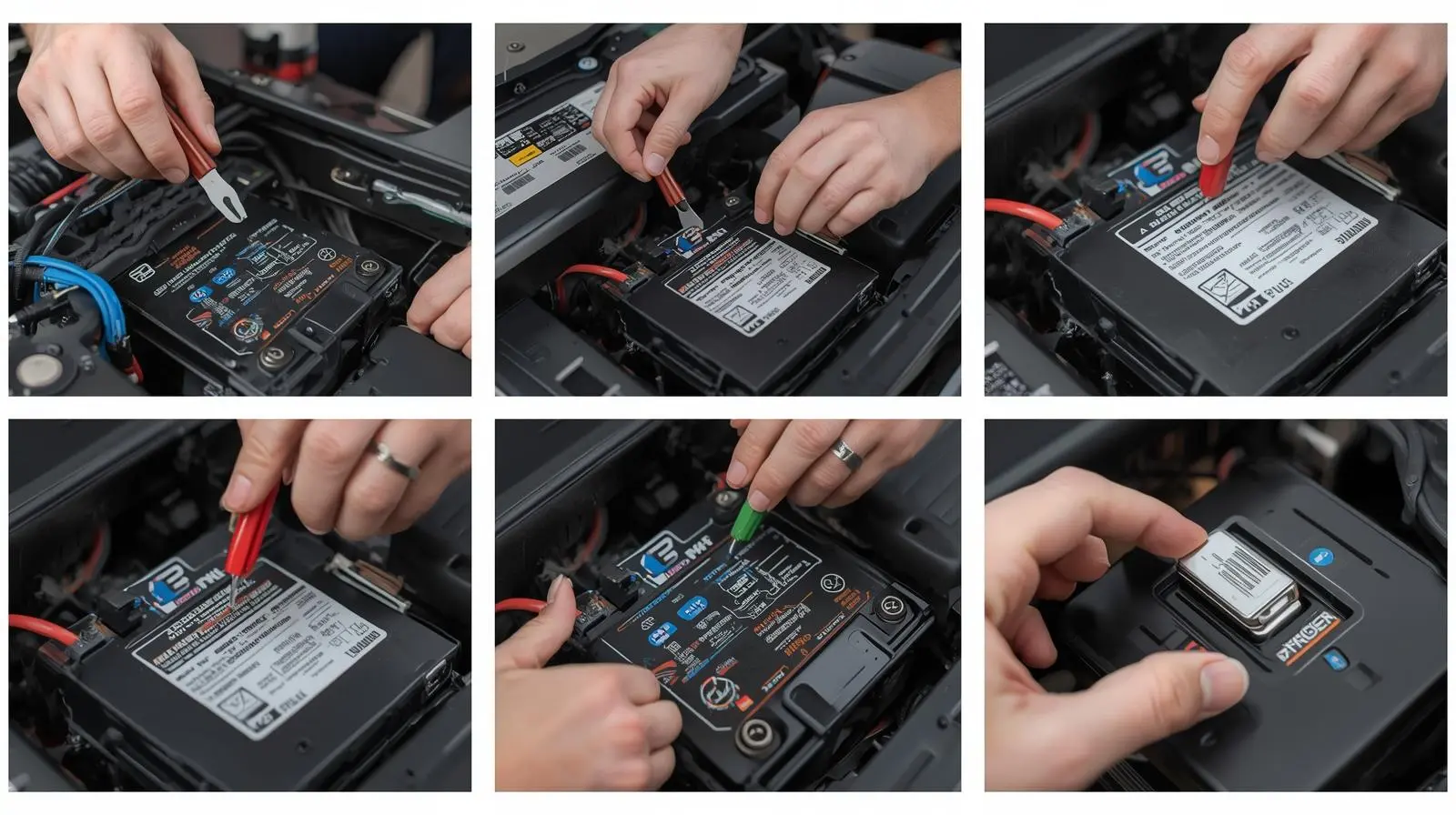
Changing your car battery is one of the most important maintenance tasks you’ll need to handle as a vehicle owner. Whether you drive a traditional gasoline-powered car or an electric vehicle (EV), knowing when and how to change your car battery is crucial for keeping your ride smooth, safe, and reliable. If you’re an electric car owner, though, you might have some specific concerns and questions that differ from traditional car batteries.
In this article, we’ll cover everything you need to know about changing your EV battery. Whether you’re looking to change your battery on your own or just want to understand how it works.
How Often Should You Change an Electric Car Battery?
The battery in your electric car is a vital component. Unlike traditional cars, electric vehicles rely heavily on their batteries to provide power, so taking good care of them is important. But how often do you actually need to change the battery in an electric car?
Battery Life of Electric Cars
Electric car batteries typically last between 8 to 15 years, depending on various factors like the make and model of your car, driving habits, and how well you maintain the battery. In terms of mileage, you can expect your electric vehicle battery to last anywhere between 100,000 and 200,000 miles before it needs replacing.
Factors Affecting Battery Life
- Driving Habits: If you frequently drive your car at high speeds or aggressively accelerate, the battery may wear out faster.
- Climate: Extreme hot or cold temperatures can affect battery performance. Cold weather can reduce range, while excessive heat can cause long-term damage to the battery.
- Charging Routine: Charging your car to 100% every time or letting it run down to 0% can decrease battery life. Most experts recommend keeping the battery charge level between 20% and 80% for optimal performance.
How to Change an Electric Car Battery?
Unlike gasoline-powered cars where the battery is easy to replace by simply removing the old one and installing a new one, the process for changing the battery in an electric vehicle is more complex. Here’s an overview of the steps involved:
Step 1: Check the Warranty
Before attempting to replace your EV’s battery, check the warranty provided by the manufacturer. If your car is still under warranty, the battery replacement might be covered. In most cases, replacing the battery before the warranty expires will require the service to be done by a licensed professional.
Step 2: Assess the Symptoms of a Bad Battery
If you’re experiencing reduced range, your EV battery isn’t charging properly, or the battery is showing signs of physical damage (like swelling or leaking), it’s time to consider getting a new one. Before changing the battery, ensure that the issue is related to the battery itself and not other components like the charging system.
Step 3: Professional Help vs. DIY
While it’s technically possible to replace an electric vehicle battery on your own, it’s not recommended unless you’re highly skilled and experienced. Electric car batteries are large, heavy, and dangerous to handle. If you’re unsure, it’s best to leave this job to the professionals who are trained in EV maintenance.
Step 4: Disconnect the Power
Before beginning any work on the battery, make sure the vehicle is turned off, and disconnect the power supply to avoid any electrical shocks. Always follow the manufacturer’s instructions for safely disconnecting the battery.
Step 5: Remove the Old Battery Pack
If you are working with a modular battery pack (common in many EVs), you’ll need to carefully remove the old battery by unbolting it from the vehicle’s frame. This usually requires specialized equipment and a team of professionals due to the size and weight of the battery.
Step 6: Install the New Battery Pack
Once the old battery is removed, it’s time to install the new one. The new battery should be installed with the same connections and properly secured into place. Again, this process requires a lot of care and should be done by professionals.
Step 7: Testing
After the new battery is installed, ensure that all systems are working properly. Check the battery’s charge level, run diagnostic tests, and confirm that the vehicle is charging correctly. It’s also important to calibrate the system to match the new battery’s specifications.
How to Change Battery Terminals in Your Electric Car?
Sometimes, it’s not the battery itself that needs replacing but the terminals that connect the battery to the rest of the vehicle’s electrical system. The terminals allow the current to flow from the battery to power the car’s electronics. Over time, these can corrode or become loose, affecting the performance of your car.
Here’s how you can change the battery terminals in your electric car:
- Turn off the vehicle and remove the key from the ignition.
- Locate the battery terminals (usually found near the battery pack).
- Disconnect the negative terminal first, followed by the positive terminal.
- Remove any corrosion from the terminals using a wire brush or a mixture of baking soda and water.
- Install new terminals if needed, and reconnect the positive terminal first, followed by the negative terminal.
Be sure to handle all components carefully, and avoid touching the terminals directly with bare hands.
How to Change a Car Battery Without Losing Settings?
One common concern when replacing an electric vehicle’s battery is losing important vehicle settings like radio presets, seat positions, or navigation preferences. Fortunately, there are ways to minimize this issue.
Backup Your Settings
Some EVs allow you to backup settings to the cloud or an external device, making it easy to restore them later. Check your vehicle’s manual or the manufacturer’s website for details on how to back up your settings.
Use a Memory Saver
Another option is to use a memory saver device, which is a small tool that plugs into the car’s OBD-II port and keeps the vehicle’s electrical system powered while the battery is being replaced. This device can help prevent your settings from being erased during the replacement process.
Keep a Record
If backing up your settings or using a memory saver isn’t an option, you can always write down or take screenshots of important information like your seat adjustments, radio presets, and other customizations. After the battery is replaced, you can easily input them back into the system.
How Long Does It Take to Change an Electric Car Battery?
The process of changing an electric car battery can take several hours to a full day, depending on the complexity of the vehicle’s battery system and whether you’re doing it yourself or seeking professional help. If you’re working with a certified technician, they will typically complete the job in about 4 to 6 hours, but it could take longer if there are complications.
How often should I replace my EV battery?
Typically, an EV battery will last between 8 and 15 years. However, if you start noticing issues with range or performance, it’s worth having the battery checked sooner.
Can I replace an electric car battery myself?
While it’s technically possible, replacing an EV battery is a complex task that requires professional expertise due to the size and weight of the battery. It’s not recommended for DIYers.
How much does it cost to replace an electric car battery?
Replacing an electric vehicle battery can cost anywhere from $2,000 to $10,000 or more, depending on the make and model of your car and the type of battery required.
Can I extend the life of my EV battery?
Yes! proper charging habits, such as keeping your battery between 20% and 80%, avoiding extreme temperatures, and driving conservatively, can help extend the life of your EV battery.
Conclusion
Changing your electric car battery is an important part of vehicle maintenance. Although it’s a more complex task compared to traditional vehicles, it’s still manageable with the right knowledge and approach. Always consult your owner’s manual, seek professional help when needed, and take steps to preserve your battery for as long as possible to get the best performance from your electric vehicle.