
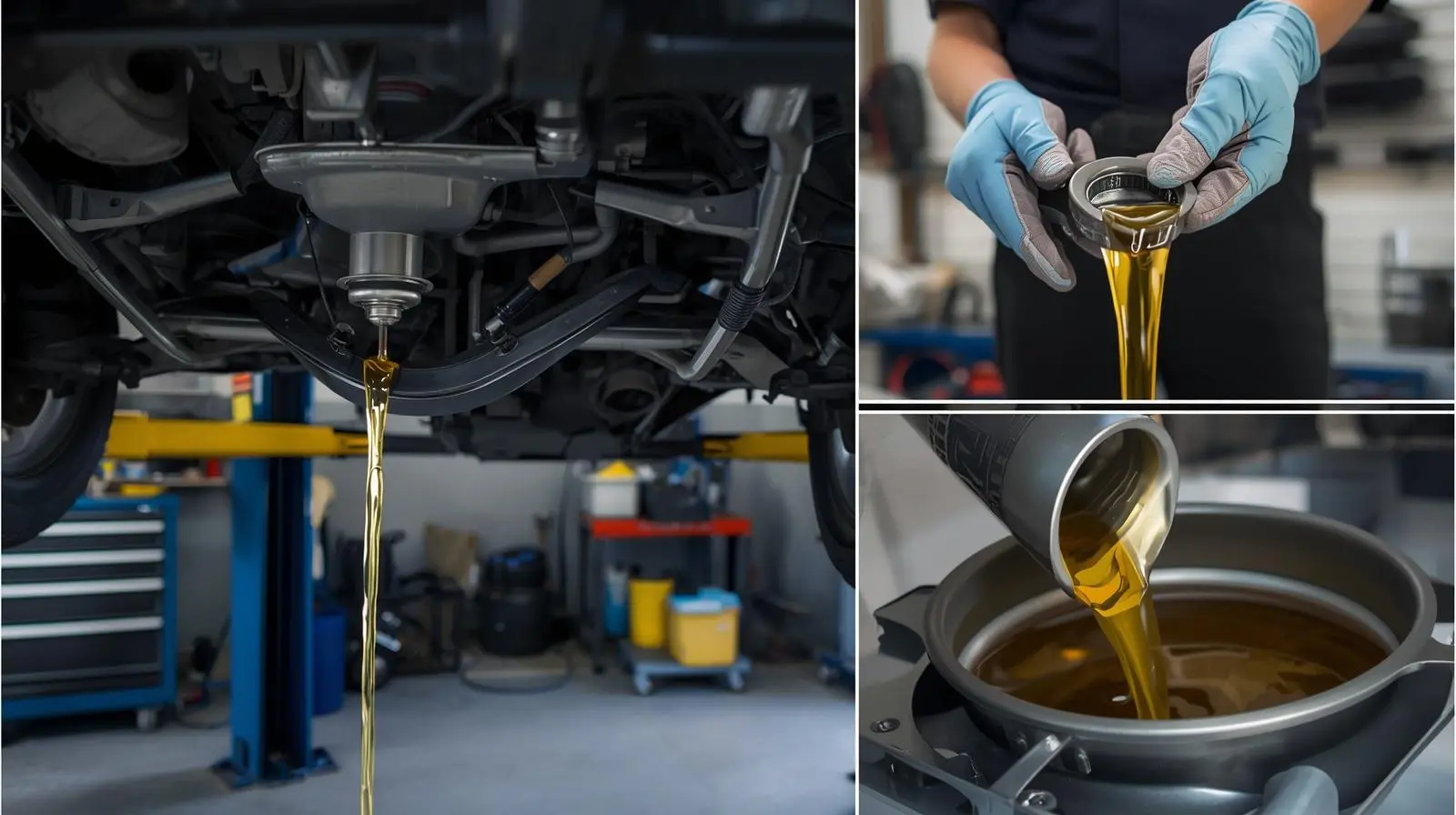
Maintaining your car’s engine is important to secure its longevity, optimal performance, and fuel efficiency. One of the most fundamental tasks is changing the oil.To change the oil effectively, it’s important to understand the necessary steps and the tools required for the job. Knowing what you need beforehand can make the process smoother and more efficient. Whether you’re a new car owner or a seasoned pro, knowing when and how to change your car’s oil is essential to keeping things running smoothly.
In this guide, we will walk you through everything you need to know about changing your car oil, with a focus on electric vehicles (EVs), including how often you need to change your oil, how to know when it’s time for an oil change, and all the details for performing this essential maintenance task yourself.
How Often Should You Change Your Car Oil?
For traditional internal combustion engine (ICE) vehicles, oil change intervals typically range from 3,000 to 7,500 miles, depending on the vehicle’s make, model, and driving conditions. Electric vehicles (EVs) don’t use traditional engine oil to power their engines. They run on electric motors that don’t require oil for lubrication in the same way an internal combustion engine does.
Despite this, your EV will still have some parts that need oil maintenance, such as the transmission or motor oil. So, when it comes to electric vehicles, check your vehicle’s owner’s manual for guidance on how often to perform any oil-related maintenance, as these tasks vary based on the brand and model.
For gas-powered vehicles, always follow the manufacturer’s recommendations for oil changes. Keep in mind that using synthetic oils may extend the interval between oil changes.
How to Know When Your Car Needs an Oil Change?
Knowing when it’s time for an oil change is critical to keeping your engine running smoothly. Here are some signs that your car might need an oil change:
- Oil Change Light: Many modern cars have an oil change light that will lighten on your dashboard when it’s time for a change. Pay attention to this light and take action immediately.
- Engine Noise: If your engine sounds louder than usual, or if there is knocking or grinding, it could be a sign that the oil is dirty or too low to properly lubricate the engine parts.
- Dark or Dirty Oil: Check your oil regularly by pulling out the dipstick. If the oil looks dark and gritty or if it has a burnt smell, it’s time to change it.
- Increased Exhaust Smoke: If you notice more smoke coming from your exhaust, this could be a sign that your oil is dirty or low, requiring an oil change.
- Oil Level: If your oil level keeps dropping and you need to add oil frequently, you may have a leak or a problem with the oil itself, making it necessary to change the oil.
How to Tell If Your Car Needs an Oil Change?
It’s essential to regularly monitor the health of your engine oil. Here’s how you can check if your oil needs changing:
- Check the Dipstick: This is the simplest and quickest way to determine the condition of your engine oil. Remove the dipstick, wipe it clean, and then restore it fully. Pull it out again and examine the color and consistency of the oil. Fresh oil is typically golden or amber, while used oil is dark and sludgy.
- Feel the Oil’s Texture: Rub a small amount of oil between your fingers. Clean oil should feel smooth, whereas dirty oil will have a gritty or rough texture, indicating impurities.
- Oil Change Reminders: Many vehicles now have oil change monitoring systems that alert you when it’s time to change the oil. These systems monitor the oil’s age, quality, and driving conditions, making it easier for you to keep track of oil changes.
Step-by-Step Guide to Changing Car Oil
Changing the oil in your car may seem like a daunting task, but with the right tools and some patience, you can perform this task on your own. Here’s a step-by-step guide to changing the oil in your car:
1. Gather Your Tools and Materials
Before you begin, make sure you have the necessary tools and materials:
- Oil filter wrench
- Oil drain pan
- New engine oil
- New oil filter
- Funnel
- Wrench or socket set
- Oil filter
- Gloves and rags
2. Determine Your Vehicle’s Engine Displacement
The type of oil your car requires depends on its engine displacement (size). To determine the correct oil, you should check your vehicle’s manual or consult the manufacturer’s guidelines.
3. Determine the Correct Oil Type
Make sure to choose the right oil for your car’s engine. Car manufacturers typically recommend either synthetic or conventional oil, depending on your vehicle’s needs. Synthetic oils are typically more durable and offer better protection, especially under extreme conditions.
4. Determine the Amount of Oil Needed
You’ll also need to know how much oil your vehicle requires. Again, this can be found in your car’s manual. It typically ranges from 4 to 6 quarts, but this can vary depending on the vehicle.
5. Lift Your Car (If Necessary)
If your car is lower to the ground, you may need to jack it up to access the oil pan. Make sure to use a jack stand for safety.
6. Drain the Old Oil
Place the oil drain pan under the oil pan and release the oil drain plug with a wrench. Allow the old oil to drain completely into the pan. This may take several minutes.
7. Replace the Oil Filter
Use an oil filter wrench to remove the old filter. Be prepared for any remaining oil to spill out as you remove it. Install the new oil filter, making sure to lubricate the rubber gasket with a bit of fresh oil before installing it.
8. Add the New Oil
With the drain plug tightened, use a funnel to pour the fresh oil into the engine. Check your owner’s manual to ensure you’re adding the correct amount. Always check the oil level after pouring in the oil and adjust if needed.
9. Check for Leaks
Start your car and let the engine run for a minute. Check the area around the oil filter and drain plug for any leaks. Tighten them if necessary.
10. Dispose of Old Oil Properly
It’s important to dispose of the old oil in an environmentally responsible manner. Most auto parts stores and service centers will accept used oil for recycling.
How often should I change the oil in my electric vehicle (EV)?
While EVs do not require oil changes for the motor itself, some components, like the transmission or gear lubrication, may require occasional oil changes. Always check the manufacturer’s recommendations.
How long does it take to change the oil in a car?
Changing the oil typically takes about 30 to 60 minutes, depending on your experience and whether you need to lift the car to access the oil pan.
What type of oil should I use for my car?
Check your car’s owner manual for the recommended oil type. Most cars use 5W-30 or 10W-30 motor oil, but it’s important to use the oil grade specified by the manufacturer.
How do I know if I need an oil change immediately?
If your oil looks dark and sludgy or if your oil level is low, it’s time to change the oil. Additionally, if your oil change light comes on or you hear engine knocking, it’s important to address the issue immediately.
Conclusion
Changing your car’s oil is a crucial part of regular vehicle maintenance. For electric vehicles, while you may not need to change the motor oil, it’s still important to keep up with other maintenance tasks like checking fluid levels and inspecting the transmission. Regular oil checks and changes help ensure that your engine runs efficiently and lasts longer.
Whether you choose to change your oil yourself or take it to a professional, knowing the signs that it’s time for an oil change and understanding the basic process will keep you prepared. Make sure to follow the manufacturer’s recommendations and dispose of old oil properly.