
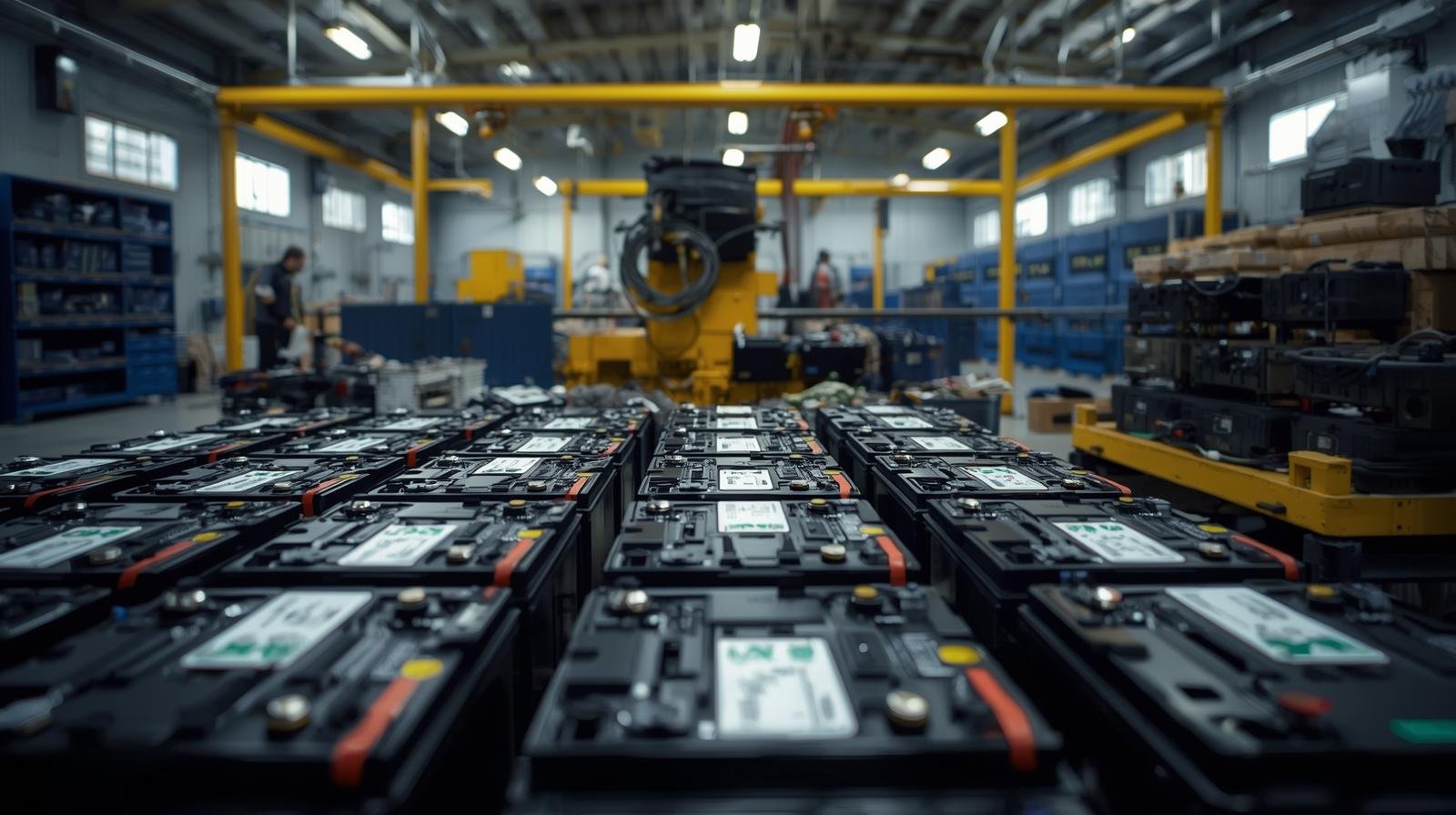
Electric vehicles (EVs) are changing the way we drive, offering a cleaner and more sustainable future. But have you ever wondered what happens to the batteries of an electric vehicle (EV) when they no longer hold a charge? The battery being the main component of an EV, is pivotal to its operation. In this blog we will focus on the recycling, reusing, and the post-use life the EV batteries.
What is an Electric Car Battery?
Prior to exploring what occurs when the battery of an electric car dies, understanding what an electric car battery is comes first. Like the battery of a smartphone or laptop, the electric car battery is a lithium-ion (Li-ion) battery but more powerful, larger, and more complex. The battery is more powerful because it has to generate the energy needed to let the electric motor functions and it has to last a long period of time which is about 8-15 years depending the care and how it is used.
How Do Electric Car Batteries Work?
Electric car batteries work by storing energy in cells. These cells contain lithium, which is a highly efficient material for storing energy. When you drive your electric car, the battery discharges, sending energy to the motor, which powers the vehicle’s wheels. When you plug your car into a charger, the battery stores electricity again, allowing you to drive for hundreds of miles.
What Happens When the Battery Dies?
- Reduced Capacity:
Over time, EV batteries lose their ability to hold a full charge. The battery’s lifespan is influenced by factors like charging habits, temperature, and the number of charging cycles it goes through. When the battery’s capacity is significantly reduced (typically around 70-80% of its original capacity), the car may no longer travel as far on a single charge. This is often considered the “end of life” for the battery in practical terms. - Battery Degradation:
As electric car batteries age, they degrade. This means that over time, their ability to deliver power effectively diminishes. This is why some electric car owners may notice shorter driving ranges as their cars get older. Battery degradation occurs due to chemical reactions within the battery that happen naturally over time.
What Happens to Electric Car Batteries When They Die?
When an electric car battery reaches the end of its useful life, there are a few options for dealing with it. Here’s what typically happens:
- Recycling:
One of the most eco-friendly options is to recycle the battery. Lithium-ion batteries contain valuable metals, such as lithium, cobalt, and nickel, which can be recovered and reused in new batteries. Recycling helps reduce the environmental impact of mining these metals and ensures they don’t end up in landfills, where they can be harmful to the environment. - Second Life Applications:
Even though an electric car battery may no longer be suitable for use in a car, it can still be used in other ways. Many companies repurpose EV batteries for “second-life” applications, such as stationary energy storage. This means the battery can store electricity for homes, businesses, or even power grids. These applications help extend the battery’s life and make use of the remaining capacity. - Disposal:
If recycling or repurposing is not an option, the battery will eventually be disposed of in an environmentally responsible way. Specialized facilities are equipped to handle the safe disposal of batteries, ensuring that harmful chemicals do not leach into the environment. However, disposal is always the last resort.
How Are Electric Car Batteries Recycled?
The process of recycling an electric car battery involves several steps:
- Collection and Transport:
When an electric vehicle’s battery reaches the end of its useful life, it’s collected and transported to a recycling facility. This can either be done by the vehicle manufacturer or a third-party recycling company. - Disassembly:
At the facility, the battery is disassembled into its individual components. This involves breaking down the battery into its cells and modules, which may contain different types of materials, such as plastics, metals, and chemicals. - Separation of Materials:
The next step is to separate the valuable materials, such as lithium, cobalt, nickel, and copper, from the less valuable components. These metals are purified and can be reused in new batteries or other products. - Safe Disposal of Hazardous Materials:
Any hazardous materials, such as electrolytes, are carefully disposed of in an environmentally safe manner. This helps prevent contamination and ensures that dangerous substances don’t end up in landfills or water supplies. - Reintegration into New Products:
After the materials have been separated, they are sent to manufacturers who use them to make new batteries or products. The goal is to close the loop and reduce the need for new raw materials.
What Are the Benefits of Recycling Electric Car Batteries?
Recycling electric car batteries offers a number of benefits:
- Environmental Protection: By recycling valuable materials, we reduce the need to mine new raw materials, which can have harmful environmental impacts.
- Resource Efficiency: Recycling helps ensure that the resources used in the production of batteries are reused rather than wasted.
- Reduced Waste: By keeping old batteries out of landfills, recycling prevents harmful chemicals from leaching into the soil and water.
- Energy Conservation: Recycling batteries consumes less energy than producing new raw materials, making it a more energy-efficient process.
The Future of Electric Car Battery Disposal and Recycling
As the number of electric vehicles on the road continues to grow, there’s increasing focus on improving the processes around battery recycling and reuse. Governments, companies, and researchers are working to make the process more efficient, less expensive, and more sustainable. Some of the advancements being made include:
- Improved Recycling Technologies:
New technologies are being developed to make the recycling of lithium-ion batteries more effective, enabling more materials to be recovered and reducing waste. - Battery Leasing and Return Programs:
Some companies are exploring battery leasing models, where consumers can lease the battery instead of owning it. This would allow the company to take the battery back at the end of its life and recycle it more efficiently. - Battery Standardization:
Standardizing battery designs across manufacturers could make it easier to recycle batteries on a large scale. It would also help streamline the process of repurposing or recycling batteries.
Circular Economy:
The concept of a circular economy, where products are designed for reuse and recycling, is gaining traction in the EV industry. By designing batteries for easy disassembly and recycling, manufacturers can ensure that more resources are kept in circulation.
What happens to electric car batteries when they die?
When electric car batteries reach the end of their useful life, they can either be recycled, repurposed for secondary uses, or safely disposed of. Recycling helps recover valuable materials like lithium, cobalt, and nickel, which can be used in new batteries. Some batteries are also repurposed for stationary energy storage.
How long do electric car batteries last before they die?
Typically, electric car batteries last between 8 to 15 years, depending on factors like driving habits, climate, and how often the car is charged. However, over time, they will lose their capacity to hold a charge, reducing the vehicle’s range.
Can electric car batteries be reused after they die?
Yes! Even if an electric car battery can no longer power the vehicle, it can still be used in other applications. Many batteries are repurposed for energy storage systems, such as powering homes, businesses, or even supporting the electric grid.
Are electric car batteries harmful when they die?
Electric car batteries can be harmful if not properly recycled or disposed of. Batteries contain hazardous materials like lithium and electrolytes. However, with proper recycling and disposal methods, the environmental impact can be minimized, ensuring that toxic substances do not harm the environment.
Conclusion:
Electric car batteries are an essential part of the EV revolution, but just like any other technology, they eventually wear out. When they do, it’s important to handle them responsibly through recycling or repurposing. With advancements in battery recycling and reuse, we can ensure that the environmental impact of electric vehicle batteries is minimized. By taking care of the batteries we use today, we are helping to build a more sustainable tomorrow.